
Every property and Starlink project is different. This guide explains the practical factors considered during professional installation and helps you prepare informed questions before work begins.
Choose around how you travel
Starlink Mini emphasizes compact size and lower-power portability, while Standard equipment can suit travelers who prioritize a larger conventional system and have room, power, and mounting capacity.
A traveler moving daily with limited storage has different needs from a seasonal RV parked for months. Count users, work requirements, video use, setup frequency, available battery energy, and how often campsites have open sky.
Where Mini has a practical advantage
Compare packed size, weight, power source, daily energy use, setup frequency, campsite trees, expected users, work requirements, mounting options, current plan eligibility, and whether equipment will be used only when stationary.
Mini is easier to carry, store, and power for tents, vans, quick stops, and backup communication. Its compact form can simplify temporary placement, but it still needs a safe clear view and its current service plan must support the intended region and movement.
Need help with this on your Starlink system?
Mann's Starlink Contracting provides owner-installed service throughout Kentucky and an 11-state region.
Where Standard may be worth the extra size
Choose Mini for light, frequent moves and limited power when its capacity meets the use case. Choose Standard when the installation, usage, and available power favor the larger system. Test the planned power setup before travel.
Standard can suit larger RVs, longer stays, families, and users willing to provide more storage and power. Its mount and cable arrangement may integrate better with an established vehicle installation, depending on current hardware.
Compare power, mounting, and plan terms
Do not choose solely from peak-speed claims or assume either dish is authorized for every location and in-motion use. A smaller dish still requires a clear sky view and a safe cable route.
Compare real power draw, packed dimensions, factory cable, weather exposure, mounting method, in-motion eligibility, monthly service, and expected performance. Plan and hardware rules change, so verify current information with Starlink before purchase.
Match expectations to the trip
Start with travel behavior: how often you move, where you camp, how many people connect, and how long you operate off grid. Then verify current Starlink hardware and plan terms before purchasing.
For occasional email, mapping, and one traveler, portability may dominate. For daily remote work and several streaming users, capacity and redundancy matter more. Neither terminal can compensate for a campsite buried beneath trees.
Get a personal installation estimate.
Send your location and project details. Caleb will discuss your equipment and mounting needs, then confirm your complete quote before scheduling.
Questions first? Call Caleb directly at 270-940-4866.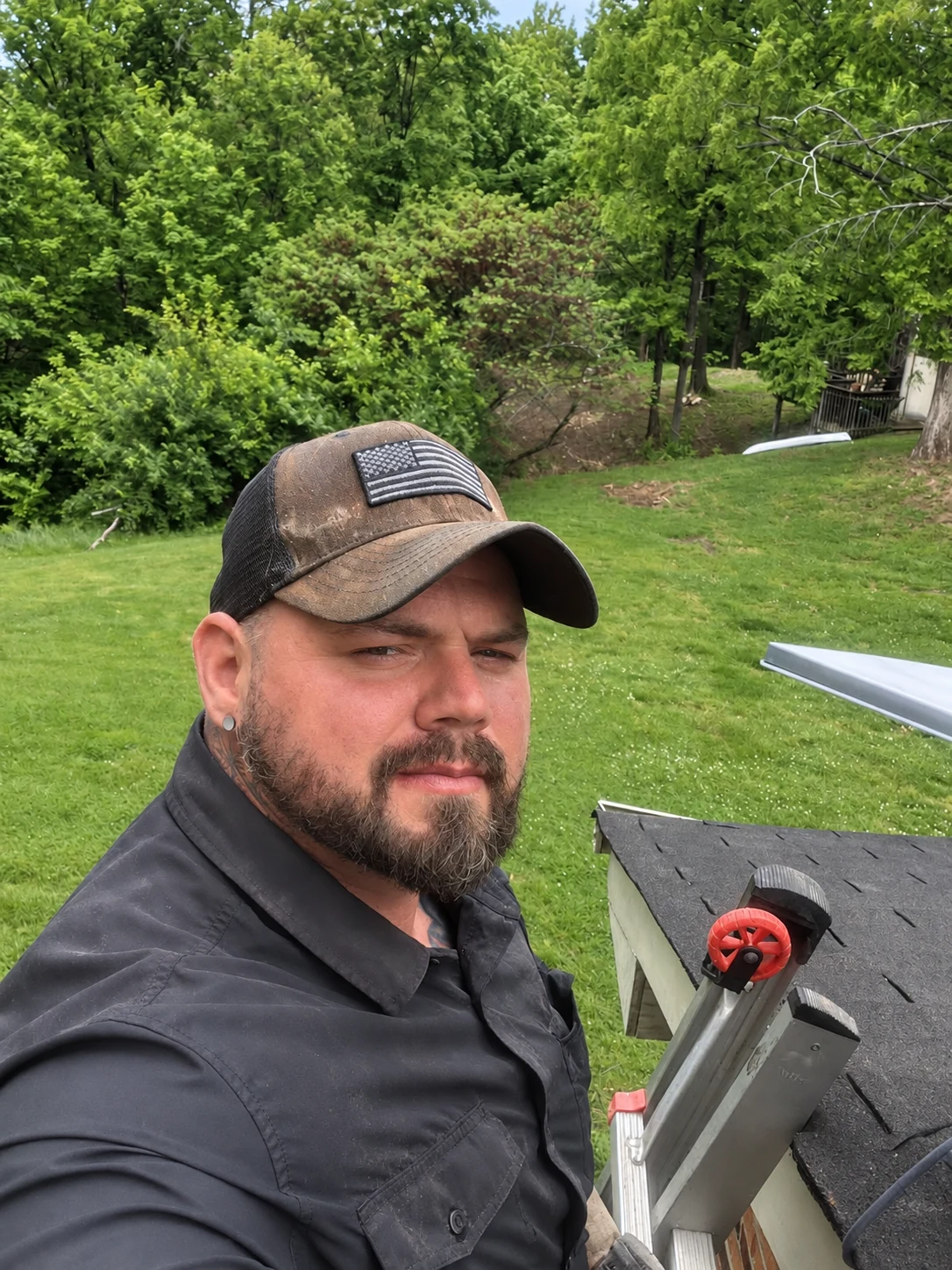
Written byCaleb MannOwner and installer at Mann's Starlink Contracting. Caleb works directly with customers from project planning through final system setup.

