
Every property and Starlink project is different. This guide explains the practical factors considered during professional installation and helps you prepare informed questions before work begins.
Convert power use into daily energy
Off-grid Starlink runtime depends on dish and router power draw, battery capacity, inverter efficiency, cable losses, weather features, and every other appliance sharing the system.
Multiply average watts by operating hours to estimate watt-hours, then add inverter losses and other network equipment. Snow melt, temperature, dish model, and router configuration can change consumption, so measure the actual system when off-grid runtime matters.
Battery capacity is not fully usable capacity
Identify the exact equipment wattage, expected daily hours, battery chemistry and usable capacity, inverter continuous and surge rating, charging sources, generator quality, outlet location, and ventilation.
Lead-acid and lithium batteries have different recommended discharge limits and cold-weather behavior. Nameplate amp-hours do not equal usable AC energy. Include lights, furnace, refrigeration controls, laptops, and every load sharing the bank.
Need help with this on your Starlink system?
Mann's Starlink Contracting provides owner-installed service throughout Kentucky and an 11-state region.
Inverter and generator considerations
Calculate energy in watt-hours with reasonable reserve, use appropriately protected wiring and listed equipment, provide stable power, and test the complete system before relying on it remotely.
Choose a quality inverter with sufficient continuous capacity and efficient low-load operation. Generator power should be stable, safely connected, and operated outdoors away from openings. Permanent transfer, DC conversion, or high-current wiring belongs with a qualified RV electrical professional.
Solar and charging limitations
Avoid sizing from inverter watts alone, draining batteries beyond recommended limits, using unsafe adapters, placing fuel-powered generators near occupied spaces, or assuming a vehicle alternator can support unlimited stationary use.
Solar output changes with shade, season, roof angle, clouds, and campsite trees—the same trees that may obstruct Starlink. Alternator and shore charging rates also limit recovery. A system that runs eight hours may still fail if it needs two days to recharge.
Build in reserve and test overnight
Plan for worst-case overnight use and cloudy charging conditions. A qualified RV electrical professional should handle permanent DC, inverter, transfer, or generator modifications outside a simple plug-in setup.
Plan reserve for poor charging weather and unexpected work. Test from full battery through the longest expected overnight period while normal RV loads operate, then confirm the system can recharge the next day without exceeding equipment limits.
Get a personal installation estimate.
Send your location and project details. Caleb will discuss your equipment and mounting needs, then confirm your complete quote before scheduling.
Questions first? Call Caleb directly at 270-940-4866.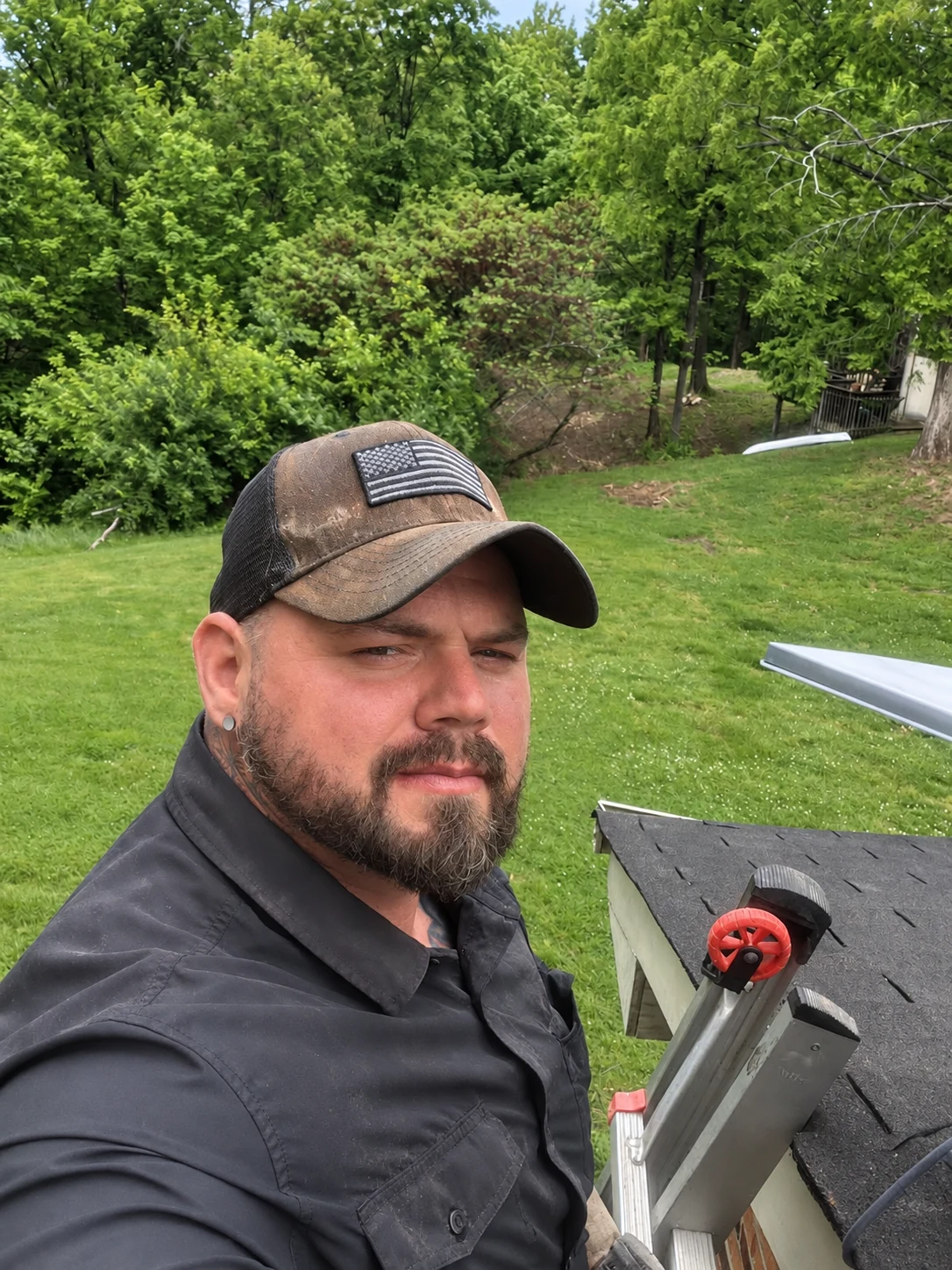
Written byCaleb MannOwner and installer at Mann's Starlink Contracting. Caleb works directly with customers from project planning through final system setup.

