
Every property and Starlink project is different. This guide explains the practical factors considered during professional installation and helps you prepare informed questions before work begins.
Shade and Starlink often conflict
A beautiful shaded campsite can be one of the hardest places to use Starlink. The dish needs a broad sky view, and small moving gaps between leaves do not provide the same reliability as a truly open area.
Starlink needs a broad moving view of the satellite paths, not one narrow opening straight overhead. Repeated leaf and branch interruptions can affect calls, gaming, remote work, and live video even when ordinary web pages appear acceptable.
Use the obstruction tool at the campsite
Use the obstruction tool before settling in when possible. Consider mature trees, leaf season, terrain, neighboring RVs, changing occupancy, cable length, pedestrians, vehicles, and campground restrictions.
Scan from the approximate dish height before fully setting camp. Check several authorized positions and consider the complete cable route. A reading taken before leaves emerge or from the center of the roadway may not represent the actual site.
Need help with this on your Starlink system?
Mann's Starlink Contracting provides owner-installed service throughout Kentucky and an 11-state region.
Choose a safe portable location
Place portable equipment in an authorized open area, keep it within a protected site boundary, secure the cable against trips and vehicles, and reassess after neighboring rigs or awnings move into place.
Keep the dish within the campsite, away from roads, playgrounds, fire rings, and pedestrian paths. Use low-profile cable covers where people may cross, secure the terminal against wind, and avoid placing it beneath dead branches or runoff.
Account for changing neighbors and leaves
Do not place the dish in a roadway, on another campsite, under branches likely to fall, or where the cable crosses a public path. Elevating the dish does not help if trees still dominate its required sky view.
A neighboring RV, raised awning, or newly occupied site can block a formerly clear view. Wet summer leaves create more trouble than bare winter branches. Recheck the obstruction map when performance changes after the campground fills.
Know when another site is the only solution
For frequent wooded travel, keep realistic expectations and consider a flexible mounting kit or Starlink Mini where appropriate. Sometimes relocating the campsite is the only dependable solution.
A taller temporary mast cannot always see beyond a dense canopy and may create wind or campground-rule problems. If every permitted location is obstructed, moving to an open site is more reliable than endlessly repositioning equipment.
Get a personal installation estimate.
Send your location and project details. Caleb will discuss your equipment and mounting needs, then confirm your complete quote before scheduling.
Questions first? Call Caleb directly at 270-940-4866.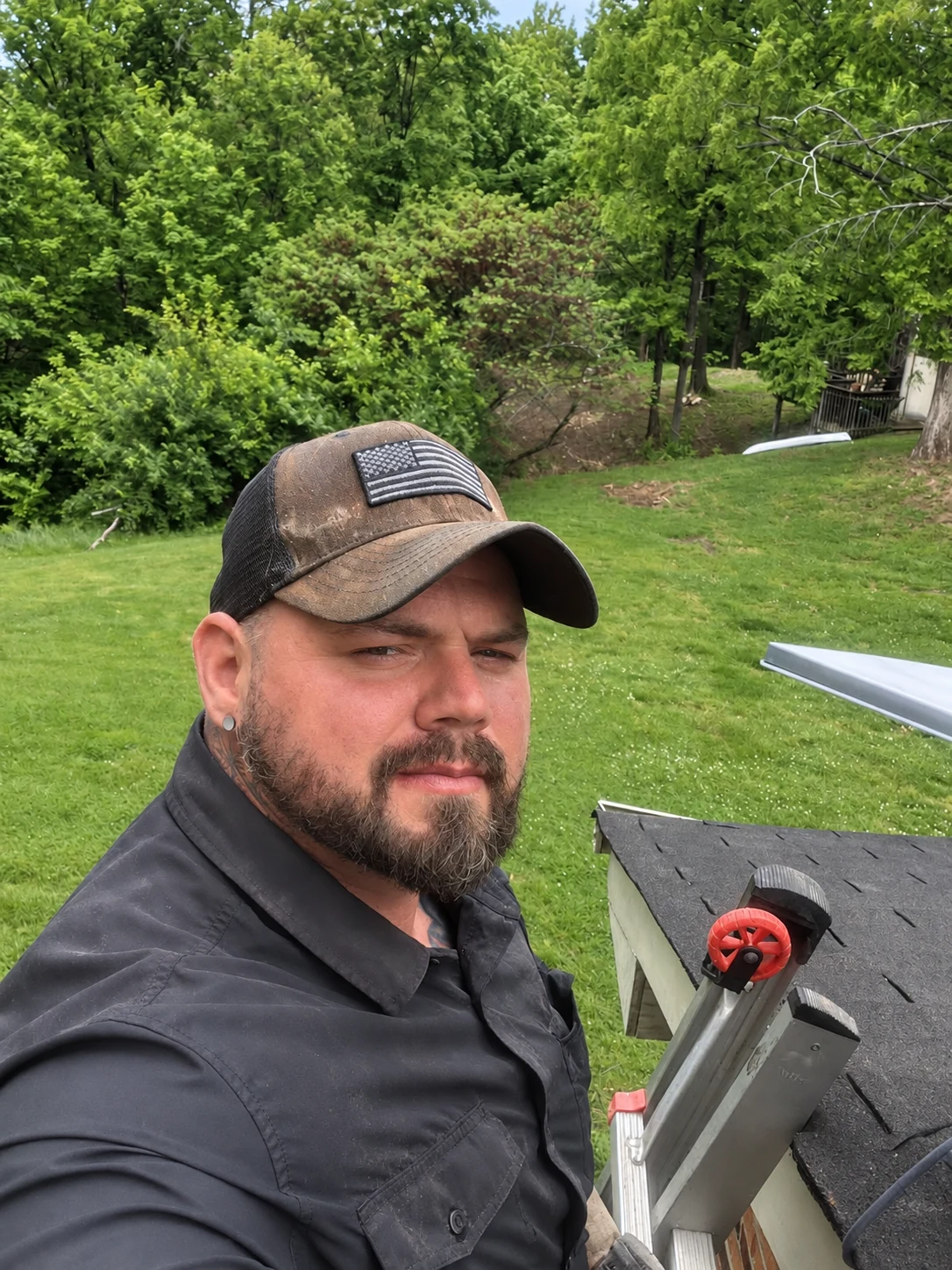
Written byCaleb MannOwner and installer at Mann's Starlink Contracting. Caleb works directly with customers from project planning through final system setup.

