
Every property and Starlink project is different. This guide explains the practical factors considered during professional installation and helps you prepare informed questions before work begins.
Sometimes—with the right adapter and inspection
An existing satellite-dish mast may support a Starlink installation when its diameter is compatible with an approved pipe adapter. Compatibility alone is not enough. The mounting surface, fasteners, corrosion, movement, location, and cable route must all be reviewed.
Structural condition comes first
Older mounts may have loose hardware, rust, bent tubing, failed sealant, or hidden damage. Reusing weak hardware simply transfers those problems to the new system. The mast should remain rigid under normal loading.
Need help with this on your Starlink system?
Mann's Starlink Contracting provides owner-installed service throughout Kentucky and an 11-state region.
The old location may not suit Starlink
Traditional satellite dishes point toward a limited part of the sky. Starlink requires a broader field of view. A mast that worked for an older provider may sit beneath a roof overhang, tree canopy, or wall obstruction that makes it a poor Starlink location.
Cable routing should be reconsidered
Starlink cannot operate through the existing coaxial cable used by traditional satellite television. A compatible Starlink or Ethernet-type cable route must still be planned from the new dish to the router.
When replacement is better
If the mast is unstable, badly positioned, incompatible, or likely to interfere with future roof work, a new mount is usually the cleaner long-term solution.
Get a personal installation estimate.
Send your location and project details. Caleb will discuss your equipment and mounting needs, then confirm your complete quote before scheduling.
Questions first? Call Caleb directly at 270-940-4866.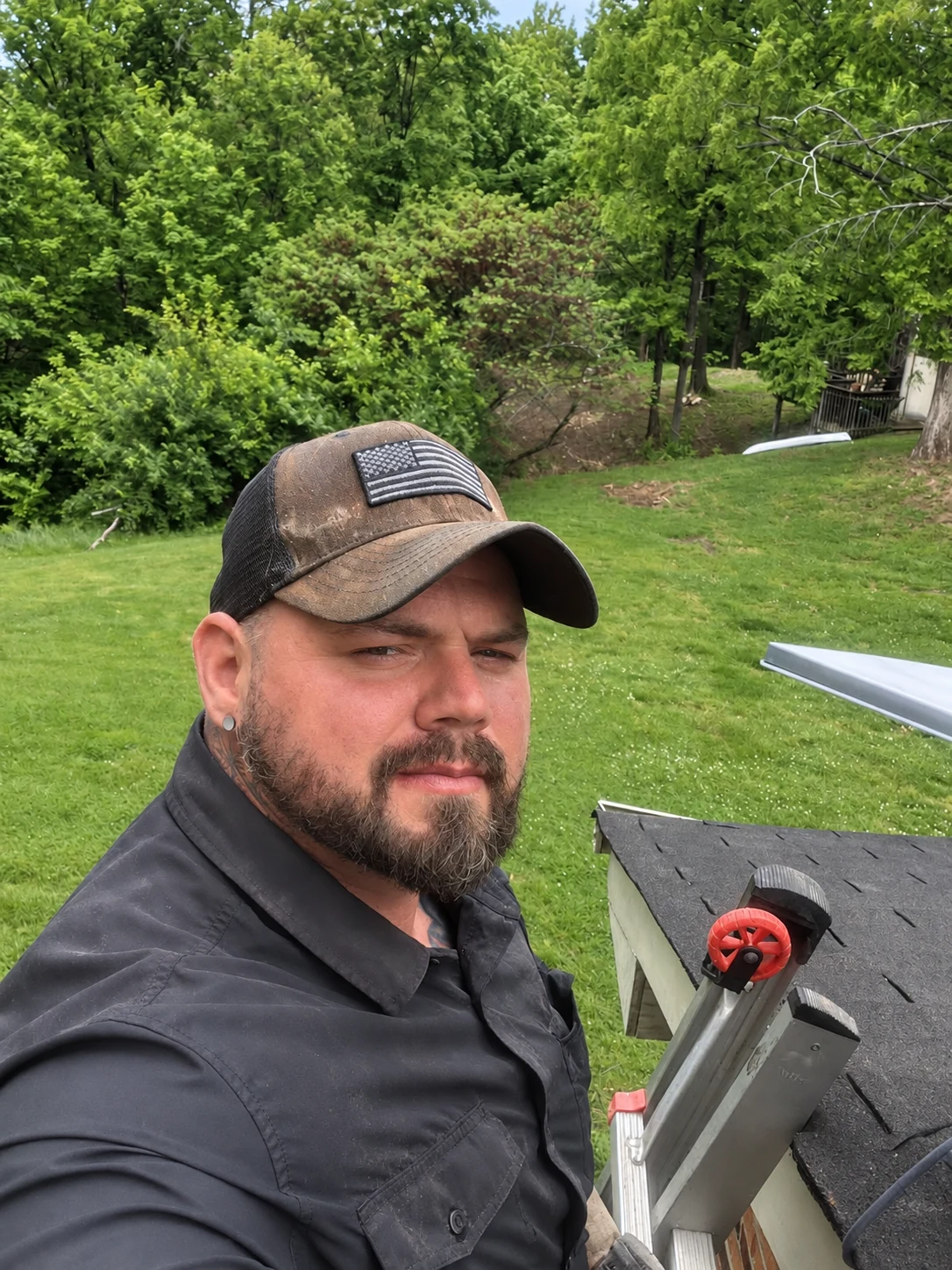
Written byCaleb MannOwner and installer at Mann's Starlink Contracting. Caleb works directly with customers from project planning through final system setup.
