
Every property and Starlink project is different. This guide explains the practical factors considered during professional installation and helps you prepare informed questions before work begins.
Treat the pole and cable as one system
A ground pole can reach a clearer view than the house, but it adds excavation, underground routing, weather exposure, and maintenance considerations that must be planned as one system.
A perfectly placed dish can still be unreliable if its pole shifts or the underground cable fills with water and cannot be replaced. The foundation, pole, mount adapter, conduit, transition fittings, building entry, and indoor router route should be designed together before the first hole is dug.
Selecting the location with real measurements
Check obstruction clearance, supported cable length, soil and drainage, buried utilities, frost and wind conditions, mowing patterns, vehicles, livestock, future construction, and the distance to the router location.
Measure the complete routed distance, including pole height, conduit sweeps, wall rise, and interior travel. Check obstructions from the proposed dish elevation and consider future growth. Also identify septic components, drainage, driveways, livestock lanes, buried utilities, and property boundaries that may limit excavation.
Need help with this on your Starlink system?
Mann's Starlink Contracting provides owner-installed service throughout Kentucky and an 11-state region.
Building a serviceable underground pathway
Use a stable pole and compatible mount, place conduit between protected entry points, include sweeps gentle enough for the factory connector, seal against water and pests, and provide a route that allows future cable replacement.
Use conduit large enough for the factory connector and broad sweeps rather than tight plumbing elbows. Include a pull string and arrange entries to resist water and pests while allowing drainage where appropriate. The factory cable should remain removable; concrete or foam should not permanently lock its connector inside the route.
Protecting the pole above ground
Never bury the Starlink cable directly, create tight ninety-degree plumbing bends, leave exposed cable at mower height, or place the pole where standing water or moving equipment will repeatedly threaten it.
A protective sleeve should cover the vulnerable transition from underground conduit to the pole. Maintain clearance from mowers and vehicles, prevent livestock from rubbing against the mast, and avoid creating a climbing point for children. The dish also needs enough height to clear local objects without creating unnecessary wind leverage.
Planning before excavation begins
Call for utility locating before digging and confirm the complete route before materials are purchased. A measured site survey is often worthwhile for long or complex pole installations.
Request utility locating and confirm any private lines not covered by public marking. Lay out the route and approve the dish position before purchasing fixed-length materials. For long runs, questionable soil, or multiple possible clearings, a site survey and qualified excavation plan are less expensive than relocating a completed installation.
Get a personal installation estimate.
Send your location and project details. Caleb will discuss your equipment and mounting needs, then confirm your complete quote before scheduling.
Questions first? Call Caleb directly at 270-940-4866.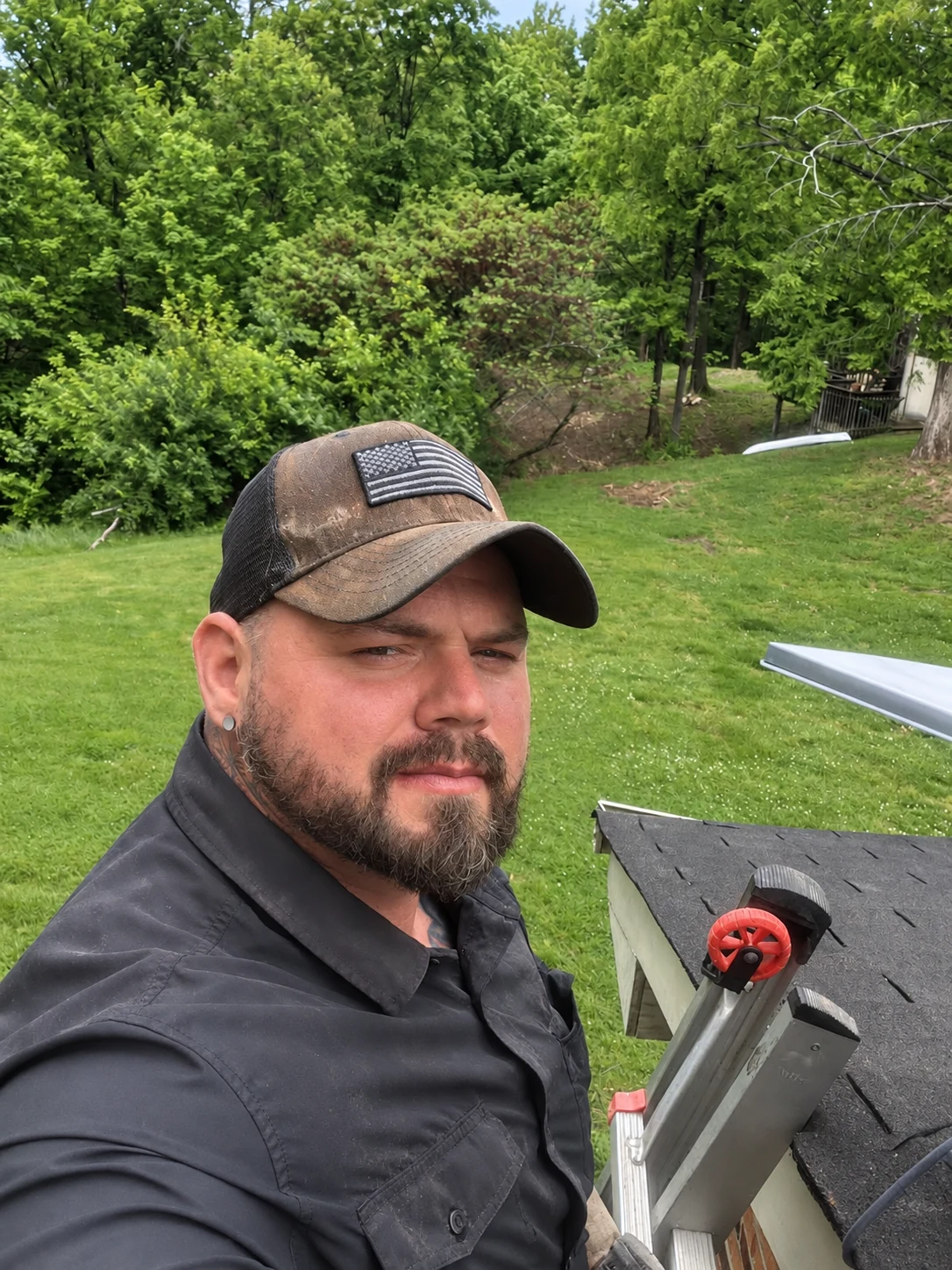
Written byCaleb MannOwner and installer at Mann's Starlink Contracting. Caleb works directly with customers from project planning through final system setup.
