
Every property and Starlink project is different. This guide explains the practical factors considered during professional installation and helps you prepare informed questions before work begins.
Why manufactured-home construction needs extra verification
Manufactured homes often use lighter roof assemblies, thin fascia, vinyl siding, and limited cavities. A mount must connect to verified structure rather than assuming every exterior edge can carry wind load.
These homes vary by age, manufacturer, transport history, later additions, and reroofing. Thin fascia or siding may appear solid but lack the backing needed for a wind-loaded mast. The objective is not to avoid the home entirely; it is to locate a verified load path or select an independent pole when the structure cannot be confirmed.
Mounting locations worth evaluating
Evaluate framing location, roof condition, fascia backing, wall material, wind exposure, skirting, additions, utility penetrations, and whether a nearby pole or independent structure provides a better option.
An under-eave bracket may reach framing without penetrating the roof surface. A wall mount can work where studs are identifiable and the dish clears the roofline. Existing antenna masts require inspection for diameter and condition. Ground poles can be excellent when the yard offers clearer sky and the cable can be protected.
Need help with this on your Starlink system?
Mann's Starlink Contracting provides owner-installed service throughout Kentucky and an 11-state region.
Finding structure behind light exterior materials
Under-eave, wall, roof, existing-mast, or ground-pole solutions may work depending on the home. Cable entry should avoid plumbing and wiring, use a drip loop, protect sharp metal edges, and be sealed for the specific exterior material.
Stud spacing and roof edges may not match conventional site-built assumptions. Interior access, manufacturer drawings, fastener patterns, or careful probing can help confirm structure. A bracket should not distort aluminum, clamp vinyl movement, or depend on decorative trim. Loads should be spread and sealed using hardware suited to the assembly.
Cable entry, skirting, and additions
Avoid fastening only into vinyl, thin aluminum, decorative fascia, or an unverified roof edge. Do not route cable loosely under skirting where animals, moisture, or maintenance work can damage it.
The route must avoid slide-out rooms, awnings, utility connections, furnace vents, and plumbing chases. Cable passing beneath the home should be supported and protected from animals and stored materials. Additions and porches may move independently from the original home, making the joint between them a poor place for a rigid route.
Choosing the safest long-term option
Provide exterior photos and note whether the home has been expanded or reroofed. On-site verification of structural attachment points is essential before choosing the final mount.
Evaluate sky view, verified attachment, serviceability, appearance, and cable protection together. A slightly more visible pole can be safer than a hidden bracket on weak fascia. Photos help narrow the choices, but final fastener placement should wait until the actual assembly has been inspected.
Get a personal installation estimate.
Send your location and project details. Caleb will discuss your equipment and mounting needs, then confirm your complete quote before scheduling.
Questions first? Call Caleb directly at 270-940-4866.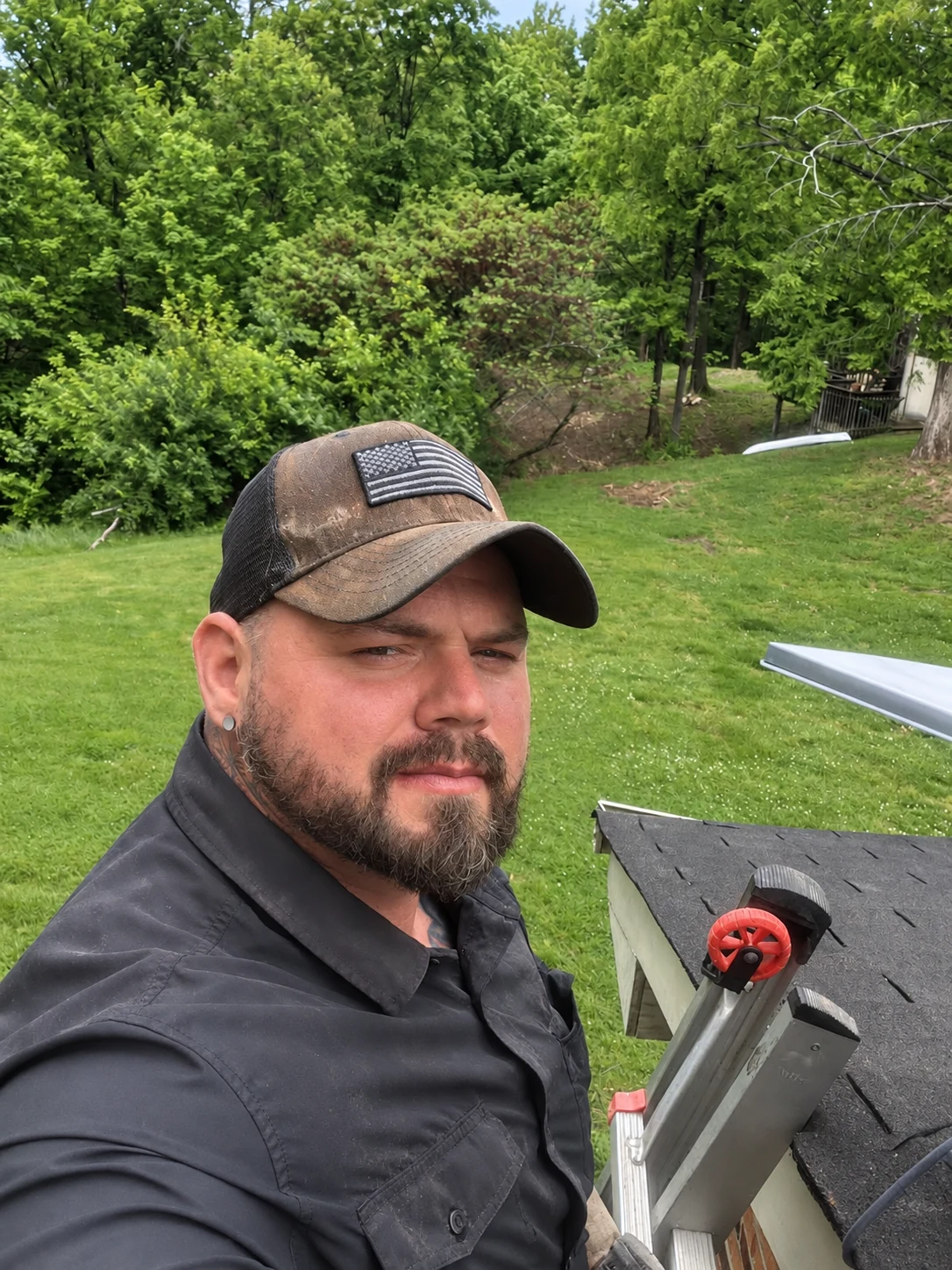
Written byCaleb MannOwner and installer at Mann's Starlink Contracting. Caleb works directly with customers from project planning through final system setup.
