
Every property and Starlink project is different. This guide explains the practical factors considered during professional installation and helps you prepare informed questions before work begins.
First identify the metal-roof system
Metal roofs can provide excellent exposure, but standing seams, exposed-fastener panels, slippery surfaces, heat, and corrosion require a mounting plan designed for the exact roof system.
Standing-seam, corrugated, ribbed, stone-coated, and exposed-fastener roofs behave differently. Panel gauge, seam geometry, clip system, substrate, coating, and pitch determine what hardware is appropriate. A photograph from the ground may not reveal whether a seam clamp has the profile and engagement required by its manufacturer.
Standing seams and exposed-fastener panels
Identify the panel type, seam profile, roof pitch, underlying framing, fastener condition, coating, roof age, wind exposure, and manufacturer warranty. A clamp suitable for one seam profile may be unsafe on another.
A correctly selected standing-seam clamp may avoid panel penetration, but it must attach at the specified points and in sufficient quantity for the load. Exposed-fastener panels usually require attachment into structural framing with sealing details compatible with the panel. Existing roofing screws are not automatically suitable mount anchors.
Need help with this on your Starlink system?
Mann's Starlink Contracting provides owner-installed service throughout Kentucky and an 11-state region.
Managing corrosion, heat, and water
Use compatible mounting hardware and corrosion-resistant materials, maintain roof drainage, protect the cable from sharp panel edges, and avoid creating stress points that deform the roof. Alternative wall, fascia, or ground-pole placements may be preferable.
Dark panels can become extremely hot, accelerating cable aging where it lies directly on the surface. Dissimilar metals in contact with water can corrode. Hardware should preserve drainage channels, avoid crushing seams, and use compatible isolators or materials. Sealant must remain appropriate for the roof coating and expected movement.
Cable routes under snow and ice
Do not use generic clamps without confirming compatibility, drill panels casually, or lay cable where snow and ice can pull it across a sharp edge. Dissimilar metals can also encourage corrosion in wet environments.
Snow sliding from a metal roof can pull unsupported cable or strike a bracket with significant force. Keep the route away from sharp cut edges and concentrated snow paths, provide controlled slack, and use supports rated for the surface. Ice should not be chipped from the dish or cable with tools that can crack the housing.
Protecting the roof warranty and future service
Share close photos of the seams or exposed fasteners and confirm the roof manufacturer if known. The safest solution protects both the Starlink equipment and the roof system beneath it.
Review the roof manufacturer's requirements before clamping or penetrating panels, especially on a newer warranted roof. Document the final attachment and route for the roofer. If replacement panels or major roofing work are expected soon, a wall or ground-pole installation may prevent paying to remove and reinstall the system.
Get a personal installation estimate.
Send your location and project details. Caleb will discuss your equipment and mounting needs, then confirm your complete quote before scheduling.
Questions first? Call Caleb directly at 270-940-4866.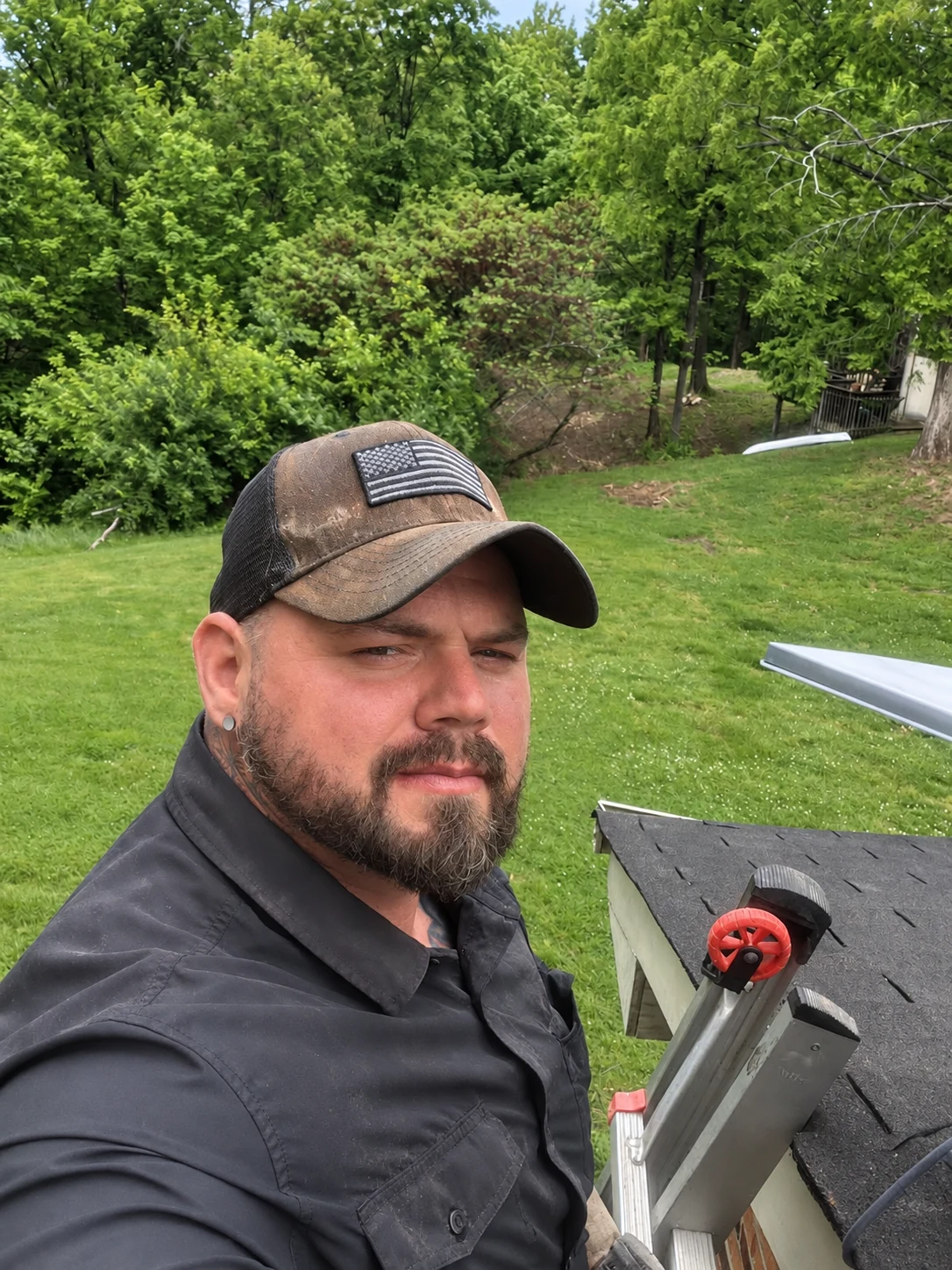
Written byCaleb MannOwner and installer at Mann's Starlink Contracting. Caleb works directly with customers from project planning through final system setup.
