
Every property and Starlink project is different. This guide explains the practical factors considered during professional installation and helps you prepare informed questions before work begins.
Travel creates loads that campsites do not
Travel loads differ from stationary weather loads. Vibration, highway wind, low branches, storage movement, repeated connector handling, and sudden stops can damage equipment that works perfectly at a campsite.
A dish may withstand stationary rain yet fail under sustained highway wind or impact from a branch. Connectors experience vibration and dust, and a loose router becomes a projectile during sudden braking. Protection must address exterior and interior equipment.
Know whether the dish stays mounted or must be stowed
Determine whether the dish is permanently travel-rated or must be stowed, verify mount fasteners and clearances, protect connector ends, secure cable, and choose a padded dry storage location for portable equipment.
Follow the terminal and mount instructions for travel. Approved low-profile systems require periodic fastener inspection. Portable kickstand or mast systems should be disconnected, dried, and stored; they should never remain loose on a roof or ladder while the vehicle moves.
Need help with this on your Starlink system?
Mann's Starlink Contracting provides owner-installed service throughout Kentucky and an 11-state region.
Pack portable equipment correctly
Follow the hardware manufacturer's travel instructions, inspect fasteners before departure, cap or protect disconnected ends, coil cable loosely, and keep equipment from becoming a projectile inside the vehicle.
Use a fitted or padded case that prevents the dish face, mast, and connector from bearing weight. Cap clean dry connectors, coil cable in broad loops, and keep it away from tools, chemicals, and wet hoses. Do not kink cable to make it fit a small compartment.
Use a departure inspection
Never travel with an unsupported portable dish deployed, pinch cable in storage doors, coil it tightly, or leave connectors exposed to dirt and moisture. A mount suitable when parked may not be suitable at highway speed.
Confirm the dish is stowed or travel-secured, cable is disconnected where required, roof accessories are below clearance limits, storage doors are latched, and interior router and power equipment cannot move. Include Starlink in the same routine as awnings, antennas, and steps.
Check again after arrival
Use a departure and arrival checklist. Repeated small inspections catch loose hardware, abrasion, cracked plastic, and water intrusion before they create a failure far from home.
Look for shifted mounts, loose fasteners, damaged seals, connector contamination, cable abrasion, and error messages before depending on service. Early inspection is especially important after rough roads, low branches, severe weather, or an emergency stop.
Get a personal installation estimate.
Send your location and project details. Caleb will discuss your equipment and mounting needs, then confirm your complete quote before scheduling.
Questions first? Call Caleb directly at 270-940-4866.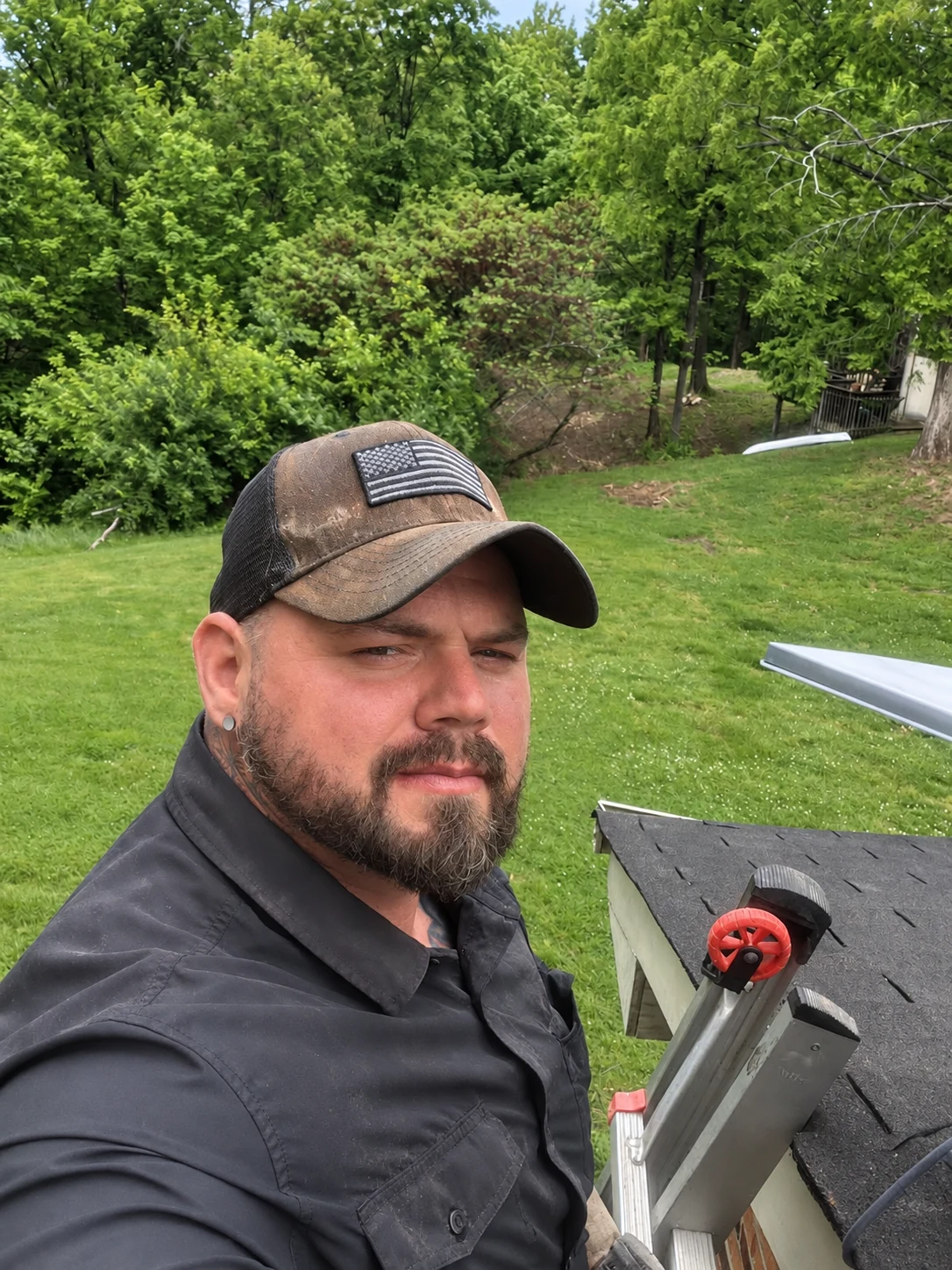
Written byCaleb MannOwner and installer at Mann's Starlink Contracting. Caleb works directly with customers from project planning through final system setup.
