
Every property and Starlink project is different. This guide explains the practical factors considered during professional installation and helps you prepare informed questions before work begins.
Marine installations are not ordinary outdoor installs
A boat adds salt, spray, vibration, constant motion, corrosion, limited interior access, and strict power requirements. Hardware that appears secure at a dock may experience far greater loads underway.
Planning begins with the vessel, operating environment, Starlink hardware, service plan, and whether the system will be used only at anchor or while moving.
Choose a protected clear location
The terminal needs broad sky visibility without interference from radar equipment, antennas, masts, booms, sails, or upper structures. It should be positioned where passengers and lines cannot strike it and where spray and wake exposure are reasonably controlled.
Placement must also account for vessel movement. A location near the centerline and within the vessel's protected profile is generally less vulnerable than hardware projecting beyond a rail or hardtop edge.
Rail mounts and fixed mounts
Compatible rail mounts can provide a useful solution when the rail diameter, material, orientation, and structural strength suit the load. The mount must resist rotation and vibration without crushing the rail or creating a dangerous projection.
Fixed hardtop, arch, or mast mounts may provide a cleaner permanent result. The supporting structure and backing should be evaluated before drilling, especially on cored fiberglass or thin composite surfaces.
Need help with this on your Starlink system?
Mann's Starlink Contracting provides owner-installed service throughout Kentucky and an 11-state region.
Adhesives, fasteners, and sealants
Marine installations commonly use permanent marine-grade sealants and adhesives as part of the weatherproofing system. Those products must be compatible with fiberglass, aluminum, paint, membrane, and mounting materials. Surface preparation and cure time are essential.
Adhesive or sealant should not be assumed to replace mechanical fastening unless the approved mounting design specifically uses a bonded connection. Penetrations require proper bedding to keep water away from the vessel core and interior.
Cable routing and corrosion protection
Cable should follow supported paths with drip loops, strain relief, abrasion protection, and sealed entry fittings. Avoid bilge water, fuel systems, sharp metal, engine heat, moving hatches, and areas where passengers can pull or step on it.
Use corrosion-resistant hardware suitable for the vessel and isolate incompatible metals where required. Even stainless components need inspection in saltwater environments.
Power and service planning
Confirm the vessel's AC or DC power design, battery capacity, inverter capability, and circuit protection. Power equipment belongs in a dry, ventilated location. Roam, Mobility, and Maritime plan availability and in-motion permissions should be confirmed before installation.
A marine system should be inspected periodically for movement, corrosion, sealant failure, cable wear, and water intrusion. Careful installation makes that inspection possible instead of hiding critical connections behind permanent finishes.
Get a personal installation estimate.
Send your location and project details. Caleb will discuss your equipment and mounting needs, then confirm your complete quote before scheduling.
Questions first? Call Caleb directly at 270-940-4866.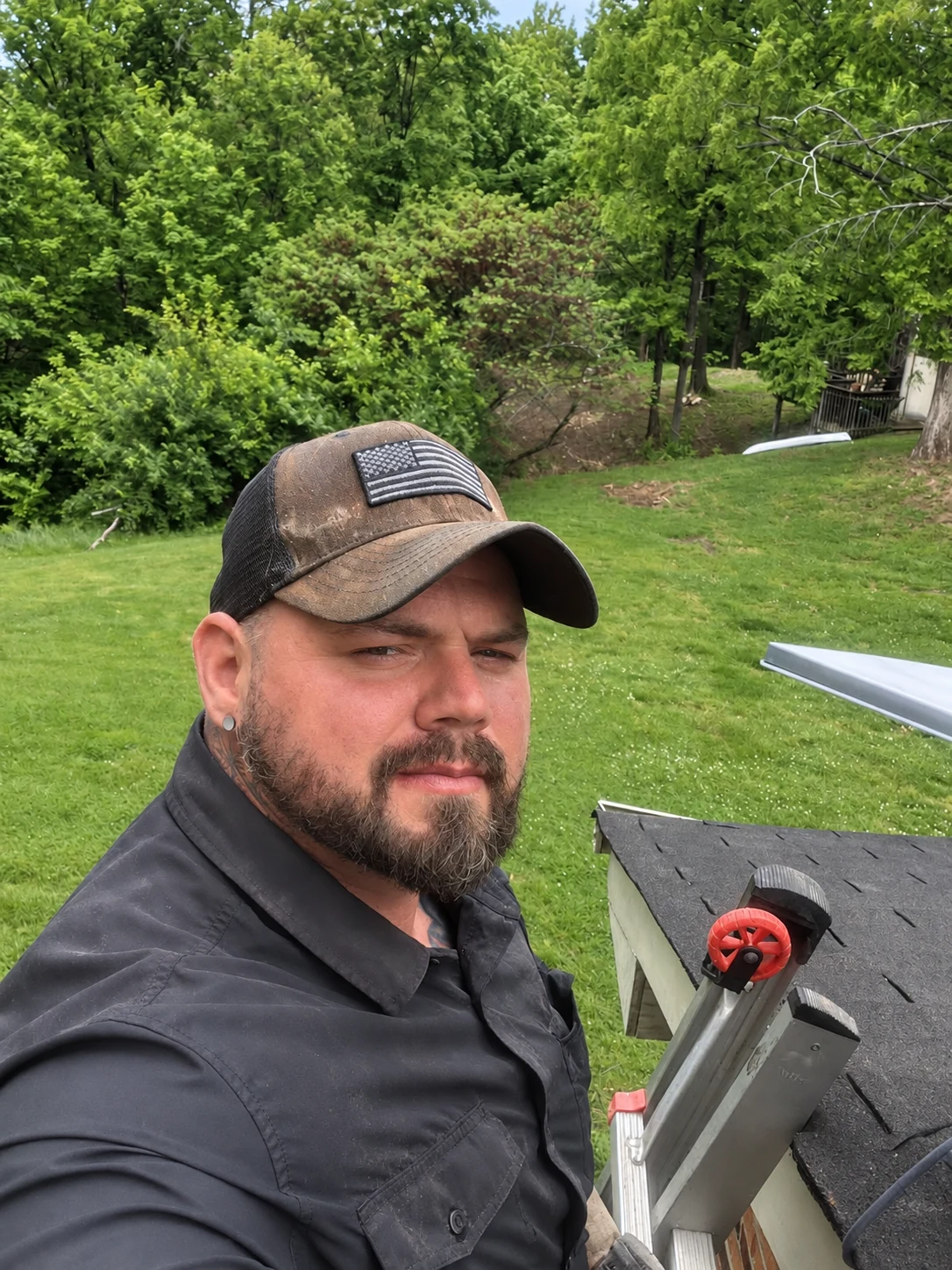
Written byCaleb MannOwner and installer at Mann's Starlink Contracting. Caleb works directly with customers from project planning through final system setup.
