
Every property and Starlink project is different. This guide explains the practical factors considered during professional installation and helps you prepare informed questions before work begins.
In-motion service differs from portable use
Using Starlink while moving is different from carrying equipment and using it after parking or anchoring. Eligibility can depend on the exact dish, current service plan, region, speed, and Starlink terms.
Portable use means setting up after the RV is parked or the boat is anchored. In-motion use keeps the terminal operating while traveling and exposes it to continuous wind, vibration, spray, and overhead hazards. Hardware that is stable on a campsite table is not automatically safe at highway speed.
Confirm current hardware and plan eligibility
Confirm current in-motion authorization for the hardware and plan, mounting orientation, wind exposure, overhead clearance, cable strain, power system, marine environment, and whether the route enters restricted or unsupported areas.
Starlink changes plan names, regional availability, and mobility terms over time. Check the account's current service description and the exact terminal model. Offshore, international, high-speed, and land in-motion use may have different eligibility, restrictions, and charges.
Need help with this on your Starlink system?
Mann's Starlink Contracting provides owner-installed service throughout Kentucky and an 11-state region.
Mounting for highway and marine loads
Use equipment specifically permitted for the intended use and a mount engineered for travel loads. Secure every cable, protect connectors, and make sure the installation does not interfere with vehicle operation or vessel safety.
Use a travel-rated low-profile mount or approved terminal arrangement attached to verified structure. Consider aerodynamic force, vessel movement, roof flex, fastener inspection, and a location that does not interfere with antennas, hatches, air conditioners, rigging, or emergency equipment.
Power, cable, and clearance risks
Do not place a portable kickstand dish loose on a roof or deck while moving, assume a residential plan permits mobility, or rely on outdated plan information. Never deploy equipment where it can strike bridges, branches, rigging, or people.
Route cable away from slide-outs, steering, hot exhaust, deck traffic, and sharp edges. Power must remain stable through alternator, inverter, battery, or marine electrical changes. Maintain bridge, branch, and rigging clearance and stow equipment that is not designed to travel deployed.
Verify rules before every major change
Check Starlink's current plan and hardware rules before each major use change. A professional can address physical installation, but only Starlink can confirm account eligibility and service terms.
Only Starlink can confirm current service authorization; the installer confirms physical feasibility. Recheck terms before crossing borders, moving offshore, transferring equipment, or changing from stationary to in-motion use. Never rely solely on an old forum post or retailer claim.
Get a personal installation estimate.
Send your location and project details. Caleb will discuss your equipment and mounting needs, then confirm your complete quote before scheduling.
Questions first? Call Caleb directly at 270-940-4866.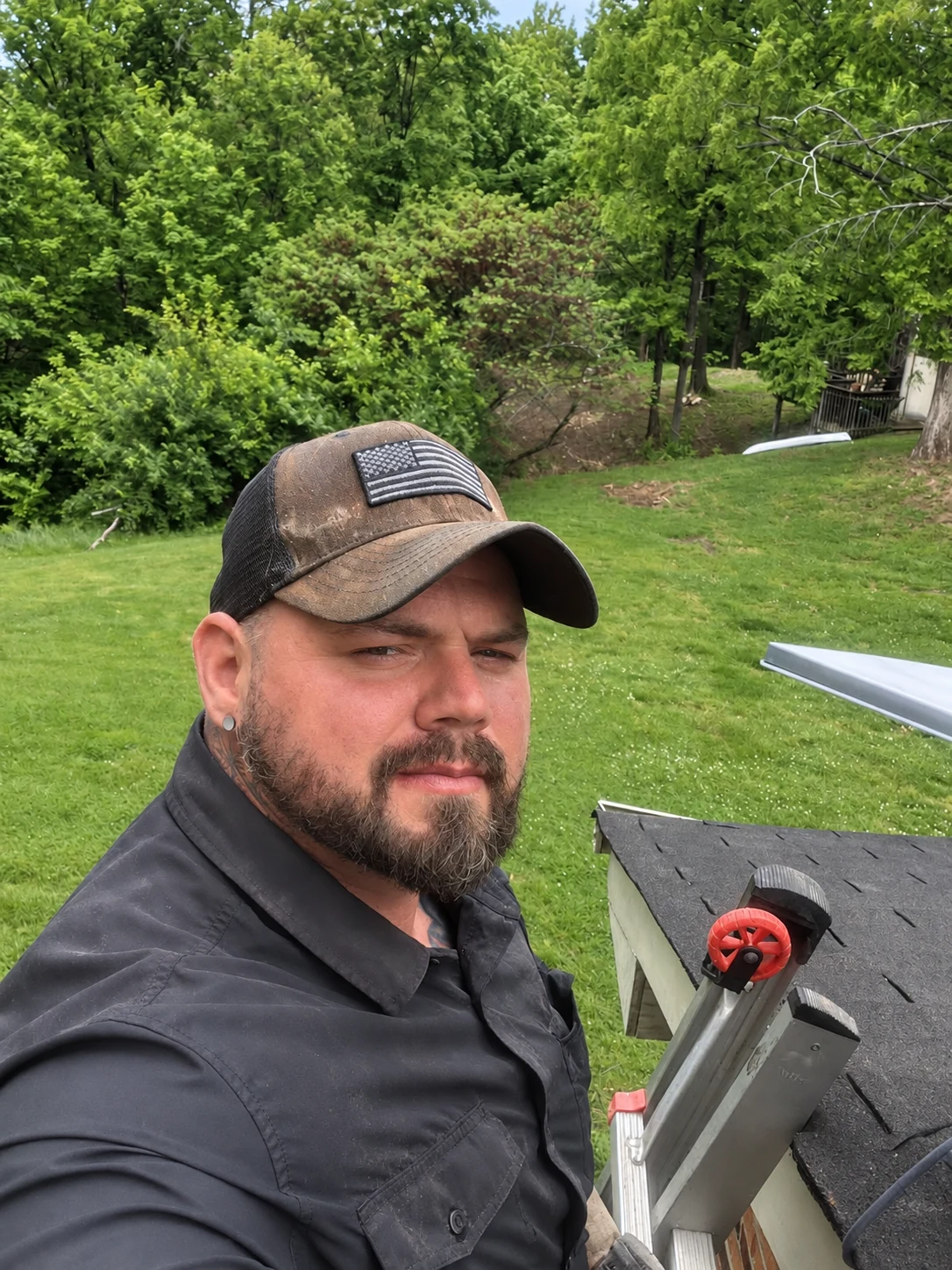
Written byCaleb MannOwner and installer at Mann's Starlink Contracting. Caleb works directly with customers from project planning through final system setup.
