
Every property and Starlink project is different. This guide explains the practical factors considered during professional installation and helps you prepare informed questions before work begins.
Starlink components are mostly sealed assemblies
Starlink equipment contains sealed electronics, proprietary connectors, and weather-resistant assemblies that are not designed for many field repairs. A temporary fix can introduce moisture, resistance, overheating, or recurring outages.
The dish, router, power hardware, and factory cable are designed as matched components rather than field-serviceable circuit boards. Opening housings changes weather protection and may affect support options. Replacement of the failed component is often faster and more predictable than attempting to rebuild it.
Damage that usually favors replacement
Consider replacement after burned connectors, water intrusion, cracked housings, badly damaged cable, corrosion, repeated unexplained resets, failed power hardware, lightning or surge events, or damage that has compromised structural mounting.
Burned or melted connectors, corrosion inside contacts, water within a sealed enclosure, a deeply cut cable, cracked dish housing, lightning damage, unstable power output, or a mount that is bent or structurally compromised should not be hidden with adhesive or tape. Recurrent failure after verified resets also warrants formal diagnostics.
Need help with this on your Starlink system?
Mann's Starlink Contracting provides owner-installed service throughout Kentucky and an 11-state region.
Problems that may not require new hardware
Use app diagnostics and Starlink support to isolate the failed component, then replace it with compatible equipment. Correct surge, cable-route, drainage, or mounting problems before installing the replacement.
A dirty exterior, cosmetic scuff, temporary network congestion, weak Wi-Fi room coverage, a forgotten password, or an obstruction does not prove equipment failure. Cleaning according to guidance, correcting placement, restoring settings, or improving the local network may solve the problem without replacing the dish or router.
Why improvised repairs can create safety and reliability issues
Avoid opening sealed hardware, permanent cable splices, improvised power supplies, bent connector contacts, or adhesive repairs on safety-critical mounts. Cosmetic marks alone do not necessarily require replacement.
Unapproved power supplies and cable splices can overheat, introduce resistance, or damage the connected socket. Glue may trap moisture and prevent proper connector seating. A repaired mast or bracket also continues carrying wind load, so structural hardware should be replaced when its strength is uncertain.
Diagnose first, then replace the correct component
Document symptoms, serial information, app messages, and visible damage. Support can address service and warranty questions; a professional installer can safely replace exterior components and verify the new route and mount.
Use app diagnostics and Starlink support to identify whether the problem is service, dish, cable, router, or power equipment. Substitute one known-compatible component when practical rather than replacing everything at once. Correct the original surge, water, strain, or mounting cause before commissioning the replacement.
Get a personal installation estimate.
Send your location and project details. Caleb will discuss your equipment and mounting needs, then confirm your complete quote before scheduling.
Questions first? Call Caleb directly at 270-940-4866.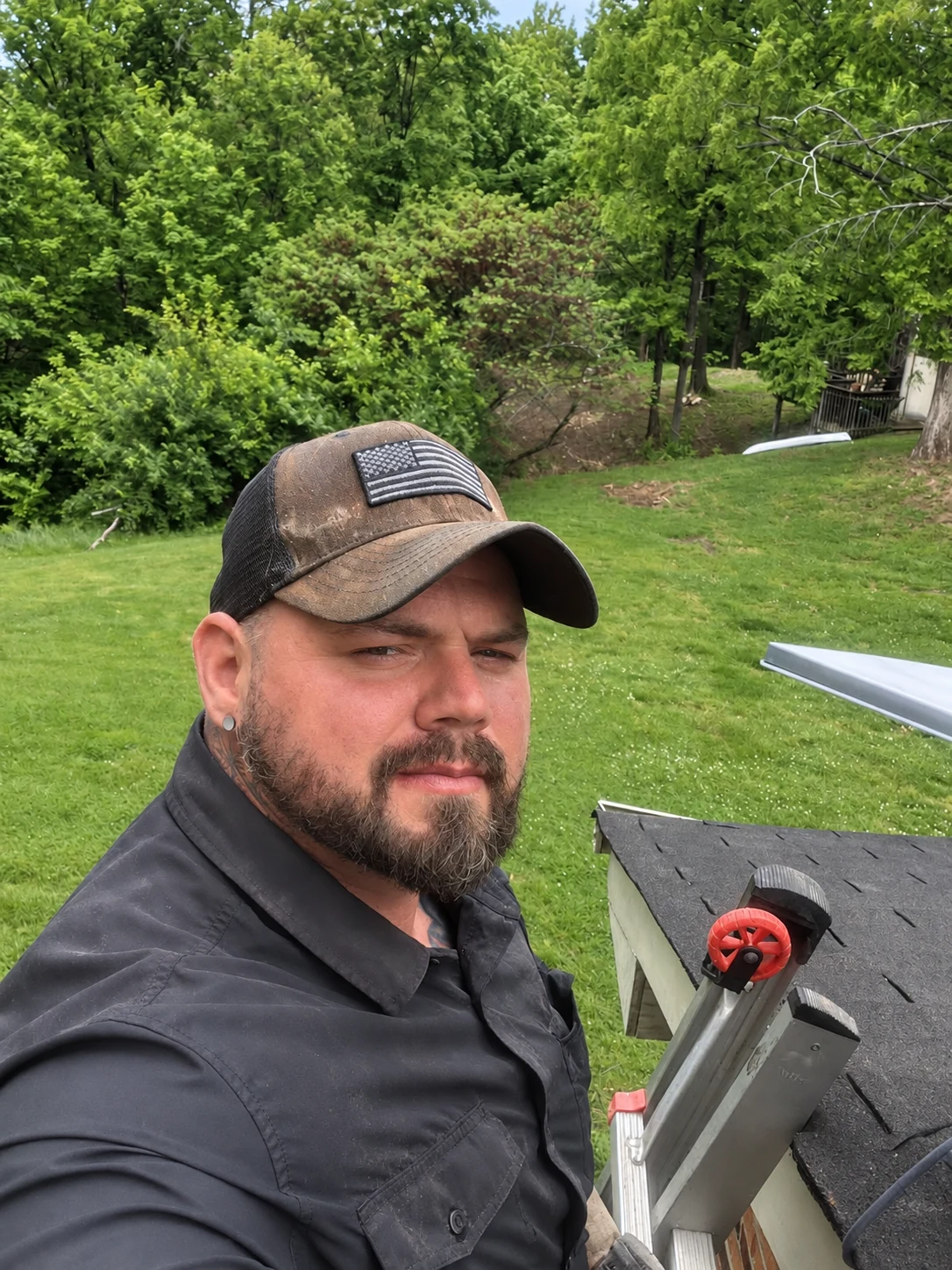
Written byCaleb MannOwner and installer at Mann's Starlink Contracting. Caleb works directly with customers from project planning through final system setup.

