
Every property and Starlink project is different. This guide explains the practical factors considered during professional installation and helps you prepare informed questions before work begins.
The most vulnerable cable is usually near the ground
A working cable can be ruined quickly by a mower, string trimmer, chewing animal, shovel, falling branch, or landscaping project. Ground-level transitions are usually the most vulnerable areas.
Cable leaving a wall or pole often crosses the exact zone reached by string trimmers, mower decks, pets, rodents, and shovels. The route may be safe when installed but become hidden by grass or mulch. Protection should anticipate how the property is maintained through every season.
Mowers, trimmers, animals, and garden work
Inspect where cable leaves the house, descends a wall or pole, crosses utility areas, enters conduit, passes under decks, and approaches animal nesting locations. Consider future mowing, gardening, snow removal, and construction.
Mowers pull loose loops; trimmers cut jackets; rodents chew sheltered sections; and landscape staples can pierce conductors. Mark the route before aeration, fencing, drainage, or planting. Inform lawn crews and tenants, and keep spare cable coils secured above ground rather than lying beneath decks or shrubs.
Need help with this on your Starlink system?
Mann's Starlink Contracting provides owner-installed service throughout Kentucky and an 11-state region.
Where conduit and guards provide real protection
Use suitable conduit and protected fittings for underground or impact-prone routes, secure exposed cable without crushing it, maintain bend radius, seal pest entry points, and document the route before it is concealed.
Use suitable conduit underground and rigid guards at exposed vertical transitions. Provide smooth bushings and broad bends so the jacket is not damaged by the protection itself. Exterior wall sections may need UV-resistant supports, while cable near machinery or livestock may require a stronger physical barrier or an entirely different route.
How to inspect without damaging the cable
Do not bury the factory cable directly, staple through it, leave coils on the ground, or conceal damage with tape as a permanent repair. Repellents alone are not reliable physical protection.
Walk the route and look for fading, cracks, flattened areas, tooth marks, exposed conductor, loose clips, and wet connectors. Do not repeatedly flex a brittle cable to see whether it fails. Photograph questionable areas and note whether app disconnections occur during wind, rain, mowing, or animal activity.
What to do after a strike or bite
Inspect the route seasonally and before landscaping work. If the jacket is cut, crushed, brittle, wet inside, or intermittently disconnecting, replace the cable and improve the route that caused the failure.
If the cable has been cut, crushed, or penetrated, power down and keep the damaged area dry. Replacement is generally more dependable than an outdoor splice. Before installing the new cable, change the route or protection so the same mower turn, rodent shelter, or landscaping task cannot repeat the damage.
Get a personal installation estimate.
Send your location and project details. Caleb will discuss your equipment and mounting needs, then confirm your complete quote before scheduling.
Questions first? Call Caleb directly at 270-940-4866.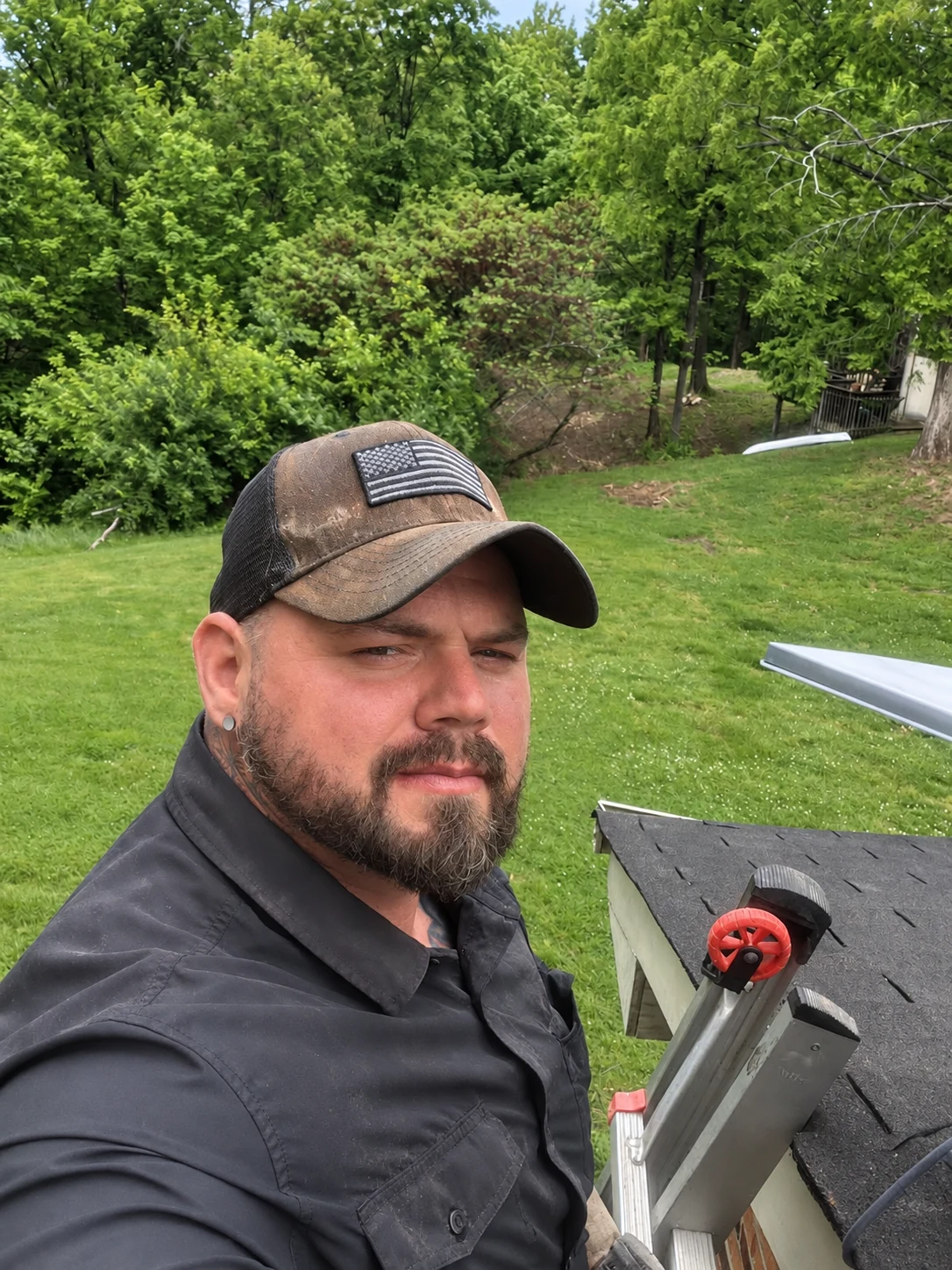
Written byCaleb MannOwner and installer at Mann's Starlink Contracting. Caleb works directly with customers from project planning through final system setup.

