
Every property and Starlink project is different. This guide explains the practical factors considered during professional installation and helps you prepare informed questions before work begins.
What professional installation is meant to accomplish
A professional installation is more than fastening the dish to a building. It combines obstruction planning, safe mounting, protected cable routing, weather sealing, router setup, and connection testing into one coordinated service.
The finished system should have a clear sky view, a mount anchored to suitable structure, a cable that is supported and protected, a sealed entry point, and a router placed where it can serve the property. It should also be understandable: the customer should know what was installed, how to use the app, and what conditions could affect performance.
The work included in the core installation
The standard scope normally includes reviewing the property, confirming a practical dish location, installing the selected mount, routing the supplied Starlink cable, creating and sealing an entry point, placing the router, and confirming that the system connects.
The obstruction review is performed at the property because trees and rooflines cannot be judged accurately from an address alone. Mounting includes compatible hardware and appropriate fasteners for the approved surface. Cable work includes exterior support, bend protection, wall entry, interior routing within the agreed scope, and connection to the supplied router.
Need help with this on your Starlink system?
Mann's Starlink Contracting provides owner-installed service throughout Kentucky and an 11-state region.
How the plan is approved before drilling
Before work begins, the installer reviews the mount location and visible cable route with the customer. Optional mounts, mesh routers, router brackets, unusual access, legacy-equipment removal, long travel, or specialized commercial work may be priced separately.
The installer should explain the proposed dish position, visible exterior route, penetration point, and router destination before permanent work begins. If the best technical location conflicts with appearance or room layout, the customer can compare alternatives and understand the tradeoff rather than discovering the route after holes have been made.
Services that require a separate scope
Do not assume every installation includes structural repairs, electrical work, tree trimming, trenching, network rewiring, or unlimited interior cable concealment. These require separate planning or an appropriately licensed trade where applicable.
Tree removal, structural repair, roofing repair, new electrical circuits, trenching, extensive wall fishing, commercial network design, and repair of customer-owned equipment are not automatically part of a base installation. Specialty mounts, long conduit routes, mesh equipment, travel, disposal, and work on multiple buildings should appear as separate items when applicable.
What you should receive at completion
Review the written invoice and project description before the appointment. If a clean appearance or a particular router location is important, share that priority early so the route and equipment can be planned correctly.
Before departure, the dish should be online, the app should recognize the system, the Wi-Fi network should be accessible, and obvious cable or mount issues should be corrected. Speed tests provide a useful snapshot but are not a guaranteed future rate. Keep the invoice, equipment information, Wi-Fi credentials, and photographs of concealed routes for later service.
Get a personal installation estimate.
Send your location and project details. Caleb will discuss your equipment and mounting needs, then confirm your complete quote before scheduling.
Questions first? Call Caleb directly at 270-940-4866.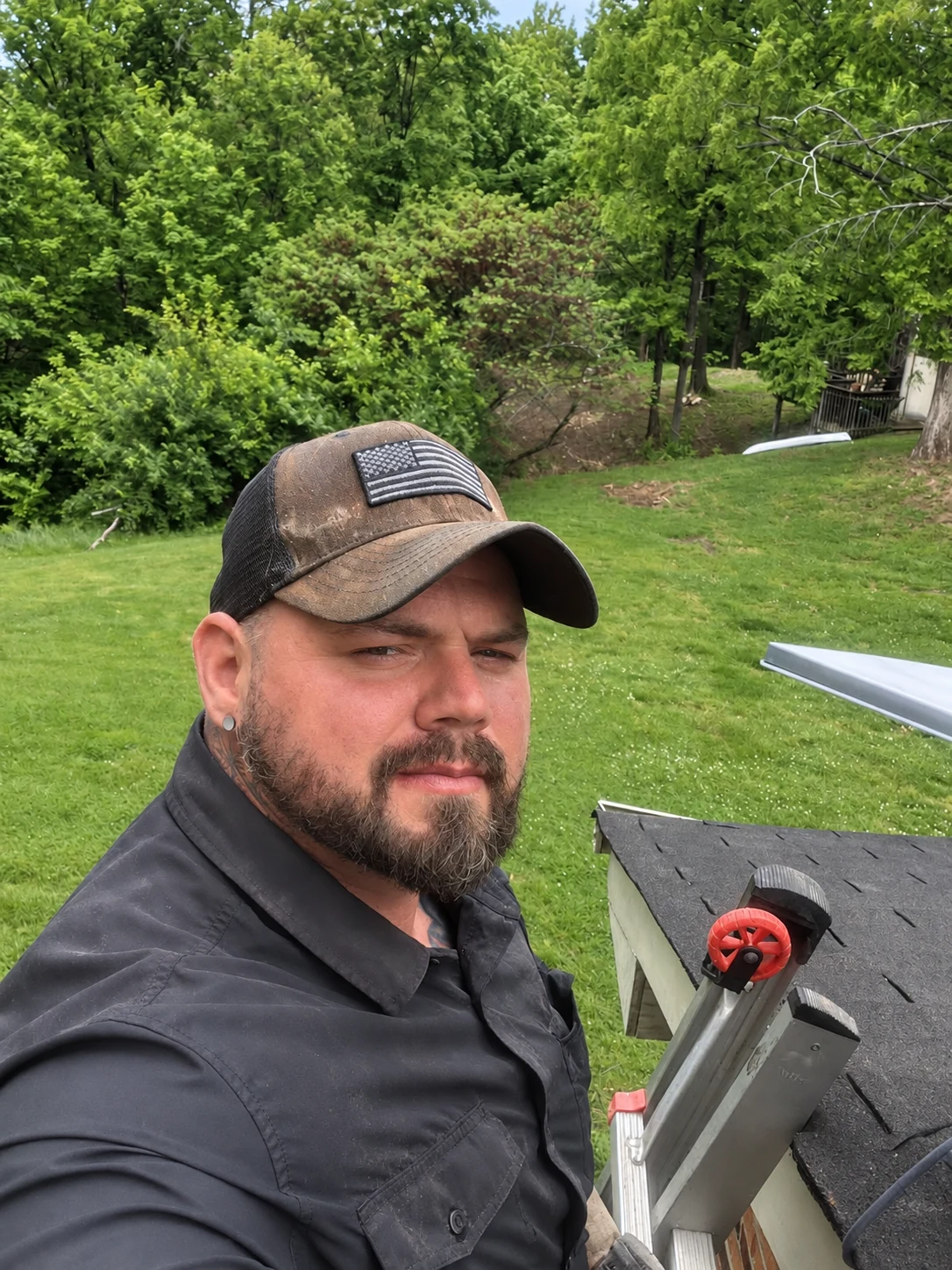
Written byCaleb MannOwner and installer at Mann's Starlink Contracting. Caleb works directly with customers from project planning through final system setup.

