
Every property and Starlink project is different. This guide explains the practical factors considered during professional installation and helps you prepare informed questions before work begins.
Start with the property and consequence of downtime
Starlink Standard suits many homes and everyday small-property needs, while Performance equipment is designed for more demanding environments and higher-priority business or enterprise use cases. The right choice depends on more than advertised speed.
A household browsing, streaming, working remotely, and gaming has a different risk profile from a store processing payments or a remote facility operating cameras and phones. Consider how many people are affected, what stops during an outage, how exposed the mounting site is, and whether the service will be primary or backup internet.
Where Standard equipment fits well
Consider the service plan, number of users, critical applications, weather exposure, operating temperature, location accessibility, mounting requirements, power needs, cable route, and the cost of downtime.
Standard is typically the practical choice for residences, small offices with ordinary needs, and many RV applications where compatible plans allow. It is easier to place and generally less expensive to purchase and mount. A clear sky view and well-designed indoor Wi-Fi usually matter more to a home than stepping up to commercial hardware.
Need help with this on your Starlink system?
Mann's Starlink Contracting provides owner-installed service throughout Kentucky and an 11-state region.
When Performance deserves consideration
For a typical residence, start by determining whether Standard service supports the household. For a business, remote facility, exposed commercial roof, or mission-sensitive connection, compare the Performance system and plan terms carefully.
Performance can make sense for demanding commercial sites, harsh temperature ranges, high wind exposure, heavy rain environments, or operations using priority business service. Its larger physical size, mounting load, power arrangement, cable requirements, service plan, and replacement cost must all be included in the decision.
What a larger dish cannot fix
Do not assume a larger or more expensive dish automatically eliminates trees, poor router placement, network congestion, or weak Wi-Fi. Hardware cannot compensate for an obstructed sky view or an unsuitable internal network.
Neither model can see through a dense tree canopy, extend Wi-Fi through a metal building, prevent a utility power outage, or guarantee capacity during regional demand. Those problems require better placement, access points, wired networking, backup power, failover, or a second connection—not simply a different dish.
Compare the complete system—not one specification
Match the equipment to the property and consequence of failure. A professional site review can confirm mounting feasibility and help distinguish an internet-capacity problem from a Wi-Fi coverage problem.
Compare equipment price, monthly plan, expected performance, environmental rating, mount and installation cost, power consumption, cable route, network design, and downtime risk. Current specifications and plan terms can change, so verify them with Starlink when purchasing and use the installer to evaluate physical feasibility.
Get a personal installation estimate.
Send your location and project details. Caleb will discuss your equipment and mounting needs, then confirm your complete quote before scheduling.
Questions first? Call Caleb directly at 270-940-4866.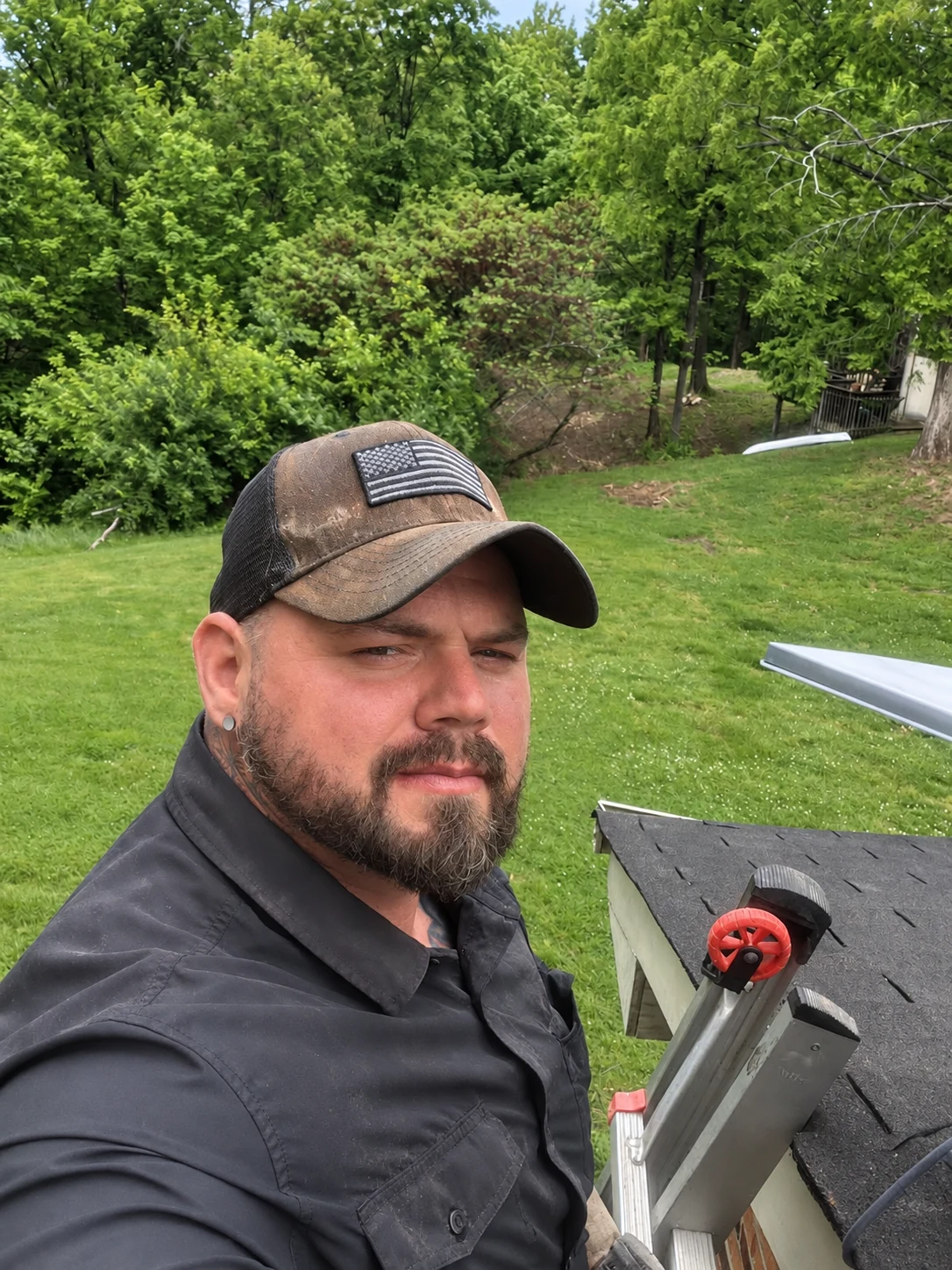
Written byCaleb MannOwner and installer at Mann's Starlink Contracting. Caleb works directly with customers from project planning through final system setup.

