
Every property and Starlink project is different. This guide explains the practical factors considered during professional installation and helps you prepare informed questions before work begins.
Outdoor-rated does not mean damage-proof
Starlink dishes are designed for outdoor use across rain, snow, wind, heat, and cold within their published operating limits. That weather resistance does not make the complete system immune to lightning, utility disturbances, flooding, damaged connectors, falling branches, or severe wind-driven debris.
The dish, exterior cable, indoor router or power supply, and household electrical system form one connected path. A failure or surge at one point can affect equipment elsewhere in that path.
Use a quality surge-protective power strip
The Starlink router or separate power supply should be connected through a reputable, safety-listed surge protector rather than directly to an unprotected receptacle. A surge-protective power strip can help clamp common voltage spikes before they reach the Starlink power equipment.
Not every power strip includes surge protection. Look for a stated surge-protection rating and indicator, follow its load limits, and replace it after a major surge or when its protection indicator shows that it is no longer active. A worn, damaged, or unknown strip should not be trusted simply because it still supplies power.
Nearby lightning can still damage the system
Lightning does not need to strike the dish directly to cause trouble. A nearby strike can induce voltage into utility wiring and connected cables or create a surge through the building's electrical system. That energy may damage the router, Standard Kit power electronics, dish cable, connectors, Ethernet equipment, or the dish itself.
Symptoms may include a router with no power, a red or flashing status light, a dish that remains disconnected, a cable alert, repeated reboots, failed Ethernet ports, or equipment that works intermittently after a storm.
Need help with this on your Starlink system?
Mann's Starlink Contracting provides owner-installed service throughout Kentucky and an 11-state region.
Surge protection reduces risk, not eliminates it
A plug-in surge protector is an important layer, but no consumer power strip can guarantee protection from a direct lightning strike or every severe electrical event. Whole-home surge protection, proper building grounding, code-compliant electrical work, and correctly installed networking equipment can provide additional layers.
Do not add improvised grounds, modify Starlink cables, or connect unapproved protective devices inline without understanding compatibility. Incorrect grounding can create shock, fire, or equipment hazards. Electrical protection beyond a plug-in device should be evaluated by a qualified electrician.
Prepare before severe weather
Keep the router and power equipment indoors in a dry, ventilated location. Prevent water from following cables into the building, protect connectors from strain, and do not place the power equipment on a floor that may flood. Inspect exterior cable support and mount hardware periodically, especially after high wind, ice, or falling limbs.
If severe weather is approaching and it is safe and practical to do so, disconnecting sensitive indoor equipment from AC power can reduce exposure through the receptacle. Never climb onto a roof, handle outdoor wiring, or touch damaged electrical equipment during a storm.
Troubleshooting after a storm
Begin with the Starlink app and a visual inspection from a safe location. Check for alerts, damaged cables, a shifted dish, water intrusion, scorch marks, odor, or a surge protector that indicates its protection has failed. Do not continue powering equipment that appears burned, wet, cracked, or melted.
If no visible damage is present, perform one controlled power cycle and allow the system time to restart. Testing a known-working receptacle or replacing one component at a time can help isolate the failure, but suspected electrical damage should be handled cautiously.
When components need replacement
A surge may damage only the router or power supply, but it can also travel through the cable and affect the dish. Replacing the first failed component does not guarantee that every other component survived. Persistent cable, power, or dish alerts after a storm may require Starlink Support diagnostics and replacement hardware.
Photograph visible damage, record the time and conditions of the event, and note which lights or app alerts appear. That information can help distinguish storm damage from an unrelated network outage or obstruction problem.
Get a personal installation estimate.
Send your location and project details. Caleb will discuss your equipment and mounting needs, then confirm your complete quote before scheduling.
Questions first? Call Caleb directly at 270-940-4866.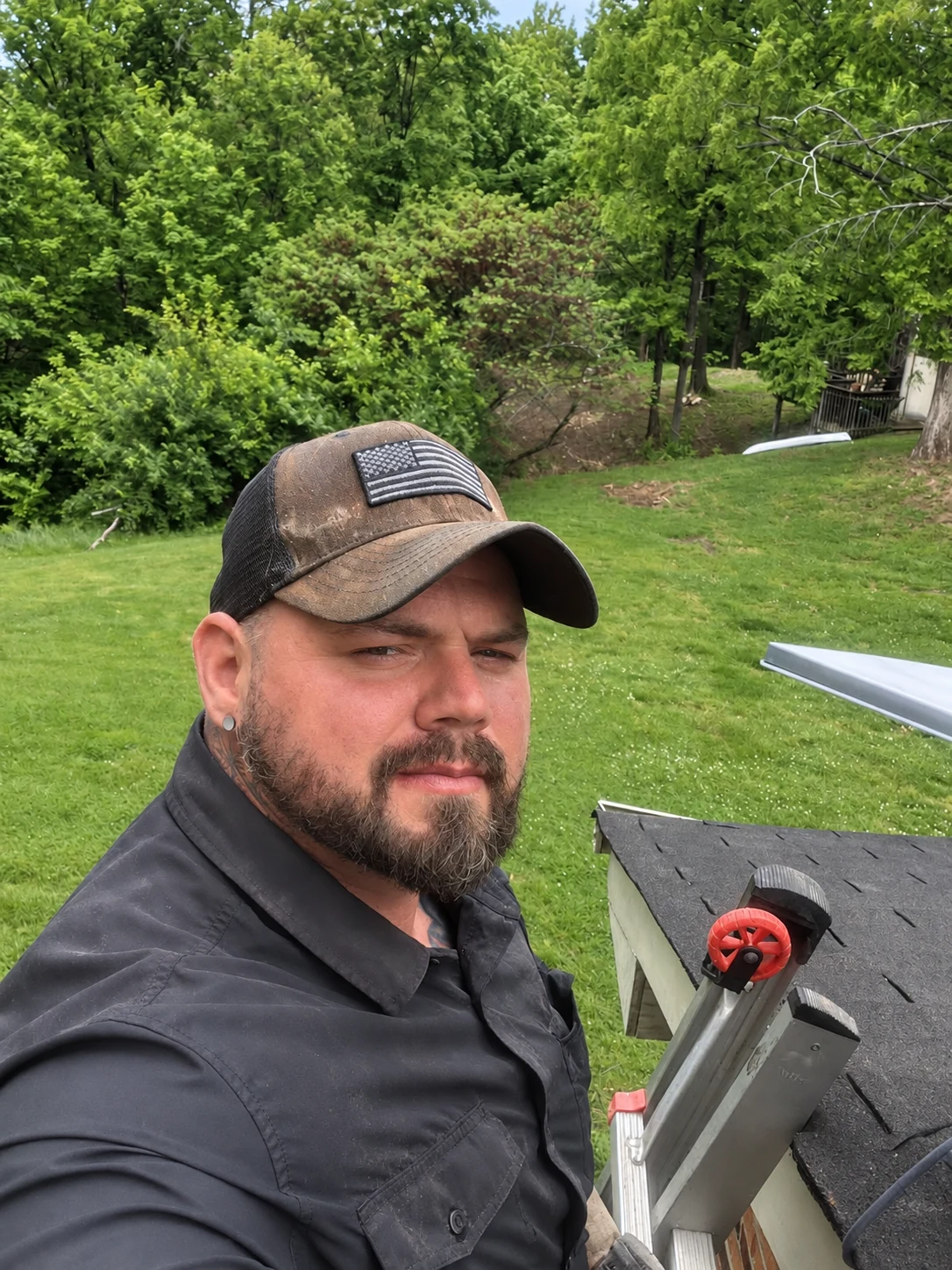
Written byCaleb MannOwner and installer at Mann's Starlink Contracting. Caleb works directly with customers from project planning through final system setup.


