
Every property and Starlink project is different. This guide explains the practical factors considered during professional installation and helps you prepare informed questions before work begins.
Starlink is designed for outdoor weather
Starlink terminals are built to operate outdoors across rain, snow, wind, heat, and cold within their published limits. Many customers continue using Starlink through severe rain and regional power or communications outages, which can make it especially valuable in rural areas.
Weather resistance is not weather immunity. The quality of the mount, cable support, connector protection, power source, and sky view still determines how well the complete installation survives difficult conditions.
How snow melt works
The dish does not use a separate exposed heating coil. When snow-melt mode is enabled, the terminal increases power and uses heat produced by its electronics to help melt snow and ice from the active surface. The setting can be managed in the Starlink app on supported hardware.
Meltwater needs somewhere to go. The dish should not be positioned where runoff refreezes onto connectors, roofing hazards, walkways, or equipment below. Deep drifting snow can still bury a ground-level terminal faster than the system can clear it.
Snow and ice can still cause problems
Heavy accumulation, wind-packed snow, freezing rain, icicles, and refreezing can block the view or add load. Never strike, scrape, or pour hot water on the terminal. Those actions can damage the surface, seals, cable, or mount.
If snow continues to cover the dish, inspect it only from a safe location and follow Starlink guidance. Roof access during ice or snow is especially dangerous and should not be treated as routine maintenance.
Need help with this on your Starlink system?
Mann's Starlink Contracting provides owner-installed service throughout Kentucky and an 11-state region.
Performance during heavy rain
Starlink can continue working considerably well during heavy rain because the network can shift between moving satellites and paths. Many thunderstorms produce little more than a temporary speed change. During the most intense downpours, water in the signal path can still reduce throughput or cause brief interruptions.
A blackout thunderstorm may take terrestrial cable or cellular systems offline while Starlink remains available, but only if the Starlink equipment and local router still have power. A battery backup or properly designed generator connection can preserve local power; the service itself does not provide electricity.
Storm installation details matter
A rigid mount prevents wind movement from changing alignment. Supported exterior cable avoids whipping and abrasion. Correct drip loops, wall-entry sealing, indoor power placement, and surge protection reduce avoidable failures.
Do not leave connectors resting in standing water or place the router and power equipment where flooding can reach them. After severe weather, inspect the system from the ground before assuming an outage is only network-related.
Set realistic expectations
Snow melt helps manage accumulation; it is not an instant defroster for every blizzard. Hydrophobic surfaces and network flexibility help in rain; they do not guarantee uninterrupted service through every storm.
The goal is resilience: suitable hardware, professional mounting, clear sky, protected power, and safe maintenance working together so the system has the best chance of staying online.
Get a personal installation estimate.
Send your location and project details. Caleb will discuss your equipment and mounting needs, then confirm your complete quote before scheduling.
Questions first? Call Caleb directly at 270-940-4866.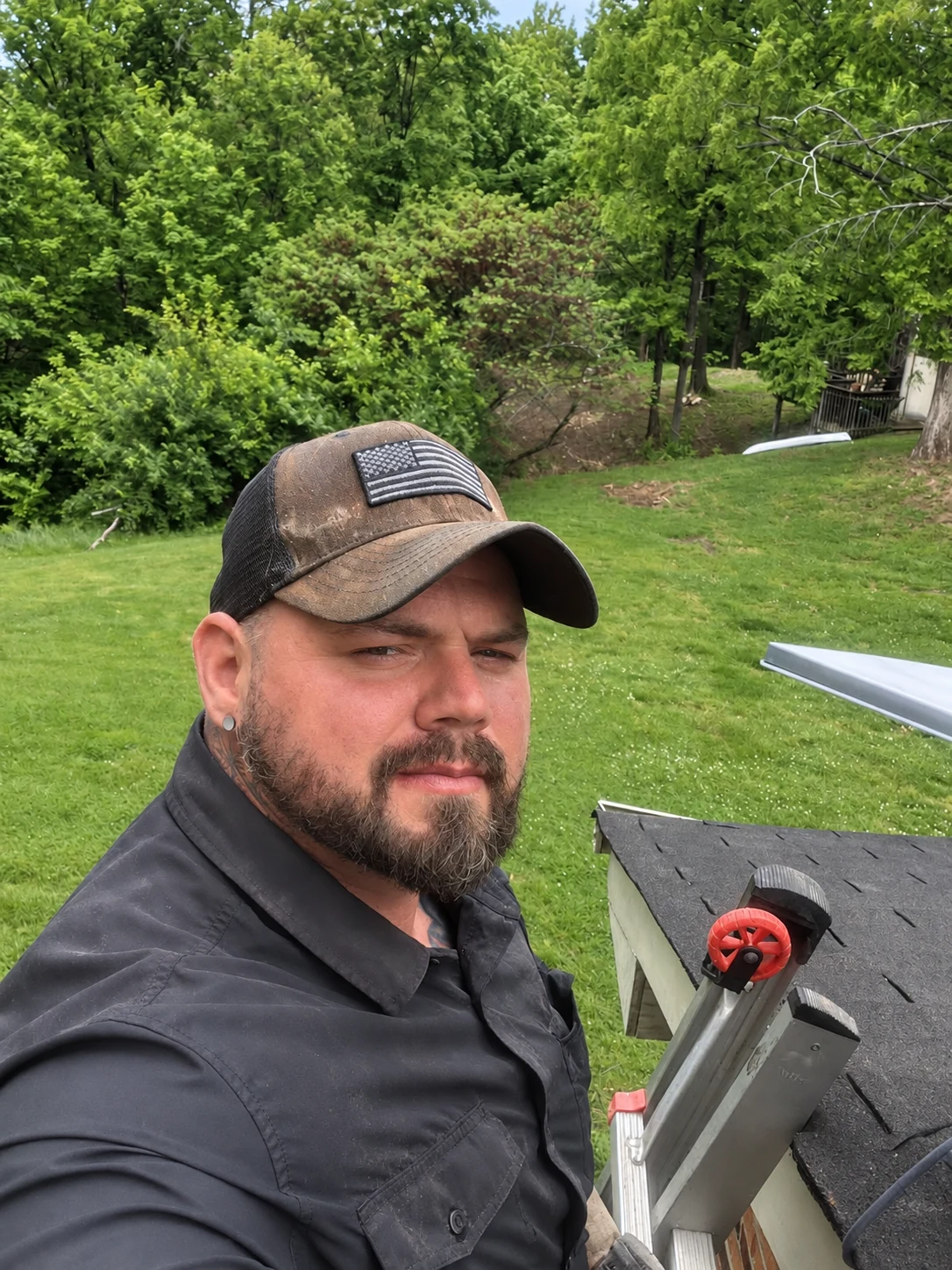
Written byCaleb MannOwner and installer at Mann's Starlink Contracting. Caleb works directly with customers from project planning through final system setup.

