
Every property and Starlink project is different. This guide explains the practical factors considered during professional installation and helps you prepare informed questions before work begins.
Performance is the premium commercial terminal
The Starlink Performance Kit is substantially more expensive than Standard because it is designed for demanding fixed-site, mobility, enterprise, and harsh-environment use. The value is not simply a larger rectangle—it is a broader operating envelope, ruggedized construction, wider sky view, and more advanced power options.
For an ordinary small office with good sky and noncritical internet needs, Standard may still be sufficient. Performance becomes easier to justify when an outage directly affects revenue, safety, operations, or remote access.
A 140-degree field of view
Performance uses a 140-degree field of view, compared with roughly 110 degrees for Mini and Standard. That wider view allows the terminal to see more sky, maintain more satellite options, and complete handoffs with greater flexibility.
Starlink's commercial network also uses path redundancy across multiple satellites and ground stations. A wider view supports that resilient design, but it does not make the terminal immune to a roof, tree, wall, or other major obstruction.
Designed for difficult environments
The Performance terminal is built for wider temperature ranges, higher wind conditions, stronger ingress protection, and demanding mobility applications. Its advanced power supply can support more complex AC and DC arrangements, including backup-power designs when correctly engineered.
These capabilities are valuable for industrial properties, emergency operations, transportation, energy sites, remote offices, farms, and businesses exposed to heat, cold, dust, vibration, or severe weather.
Need help with this on your Starlink system?
Mann's Starlink Contracting provides owner-installed service throughout Kentucky and an 11-state region.
Primary internet or backup connection
Some businesses use Starlink as their primary internet where fiber or cable is unavailable. Others use it as an independent backup path when the terrestrial provider fails. Because Starlink reaches the property through space, it may remain available during a local cable cut or regional wired outage.
True failover requires more than a second internet service. The network needs a compatible dual-WAN router, automatic failover policy, tested power backup, and a plan for critical devices.
Speed and uptime expectations
Performance offers higher peak capability than the smaller terminals, but a 140-degree view does not guarantee a specific speed or perfect uptime. Service plan priority, local network demand, Wi-Fi, Ethernet equipment, weather, obstructions, and remote servers still affect results.
Businesses should define acceptable downtime, required applications, number of users, upload needs, and recovery procedures before selecting hardware. The most expensive dish cannot correct an undersized router or untested backup design.
When the investment makes sense
Performance is compelling when connectivity supports point-of-sale systems, cloud applications, remote monitoring, voice service, security, dispatch, production, or business continuity. Its wider field of view and durability provide more value as the cost of an outage rises.
A professional commercial plan should include mounting, roof protection, power, surge protection, cable routing, Ethernet handoff, failover testing, and future service access—not only the terminal purchase.
Get a personal installation estimate.
Send your location and project details. Caleb will discuss your equipment and mounting needs, then confirm your complete quote before scheduling.
Questions first? Call Caleb directly at 270-940-4866.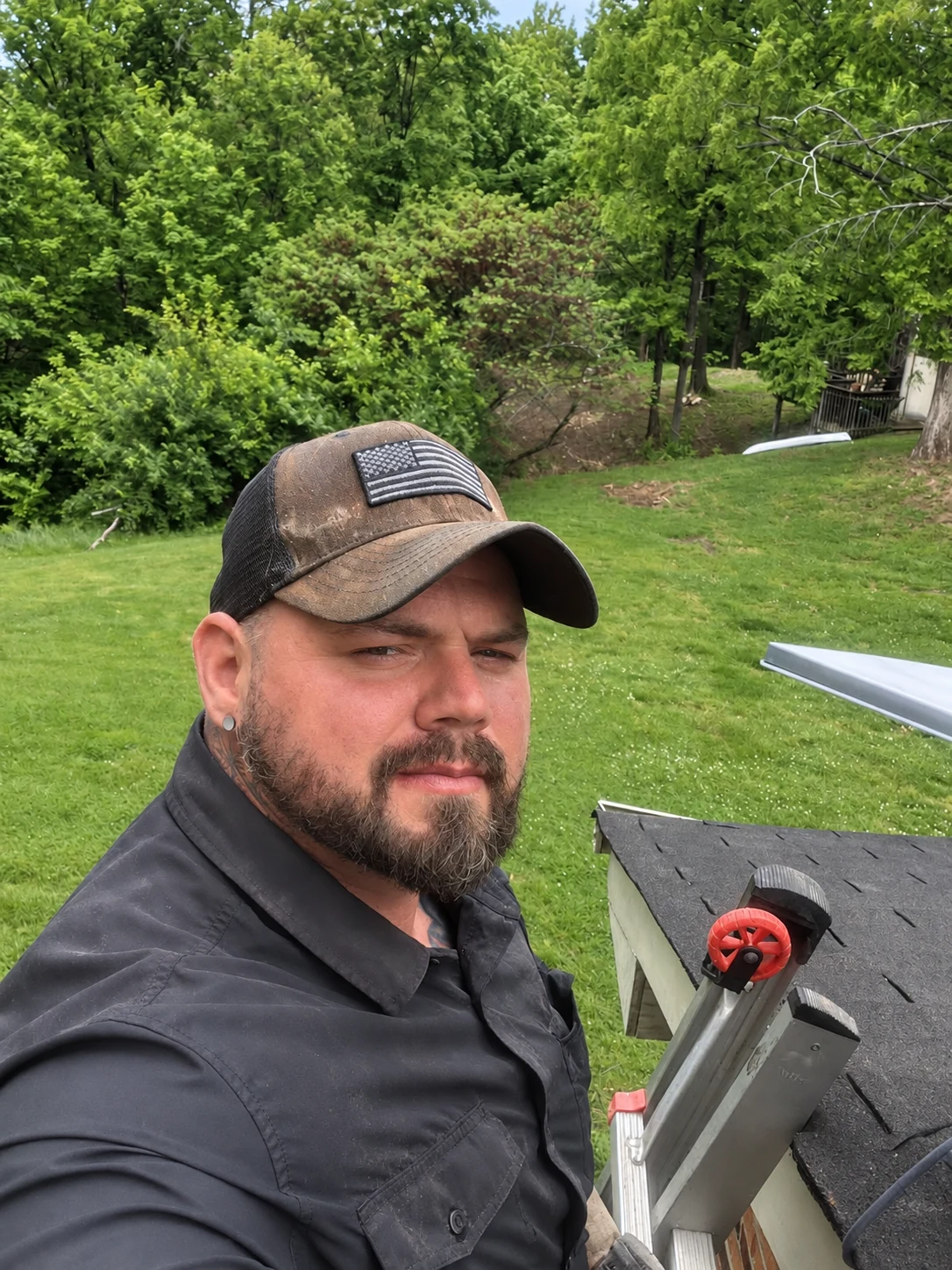
Written byCaleb MannOwner and installer at Mann's Starlink Contracting. Caleb works directly with customers from project planning through final system setup.