
Every property and Starlink project is different. This guide explains the practical factors considered during professional installation and helps you prepare informed questions before work begins.
One dish does not equal property-wide coverage
Large rural properties combine long distances, metal buildings, trees, machinery, cameras, offices, and outdoor work areas. One Starlink router rarely provides complete property coverage by itself.
Starlink can provide the internet source, but farms and warehouses often need a separate distribution system across acres. Metal walls block Wi-Fi, long distances exceed Ethernet limits, and cameras or equipment may sit beyond the office. Treat the property as a campus rather than one oversized home.
Map buildings, users, and equipment first
Map buildings, users, cameras, equipment, power, line of sight, buried utilities, terrain, and which operations require internet. Decide whether one central connection or separate services better matches distance and reliability needs.
Mark offices, barns, loading areas, silos, gates, cameras, employee devices, point-of-sale equipment, and automation. Record distances, line of sight, available power, building materials, and criticality. This map reveals whether one Starlink service, multiple services, or Starlink plus another provider is appropriate.
Need help with this on your Starlink system?
Mann's Starlink Contracting provides owner-installed service throughout Kentucky and an 11-state region.
Choose the backbone between structures
Place the dish for clear sky access, then distribute the connection with fiber, protected Ethernet, point-to-point bridges, switches, and access points designed for each building or outdoor area.
Fiber is strong for permanent buried routes and isolates building grounds. Point-to-point wireless is effective where clear line of sight exists. Copper can work within limits but needs surge consideration. Choose capacity for several years of cameras and devices rather than today's minimum count.
Design each building's local network
Avoid mounting the router inside a metal shop and expecting signal outside, running ordinary cable between buildings, or placing wireless bridges where crops, trees, or vehicles repeatedly block line of sight.
Terminate the backbone at a switch and install access points inside each occupied metal structure. Separate business, operational, camera, and guest traffic where needed. Outdoor coverage requires outdoor-rated equipment and deliberate placement; an indoor router beside a wall does not reliably cover a yard or field.
Build for weather, machinery, and expansion
Build the network in layers: reliable Starlink service, a dependable building-to-building backbone, then local Wi-Fi. This makes future troubleshooting and expansion much easier.
Protect cabling from rodents, livestock, forklifts, moisture, lightning, and excavation. Use labeled enclosures and backup power in remote buildings. Leave spare conduit or switch capacity so expansion does not require replacing the entire backbone.
Get a personal installation estimate.
Send your location and project details. Caleb will discuss your equipment and mounting needs, then confirm your complete quote before scheduling.
Questions first? Call Caleb directly at 270-940-4866.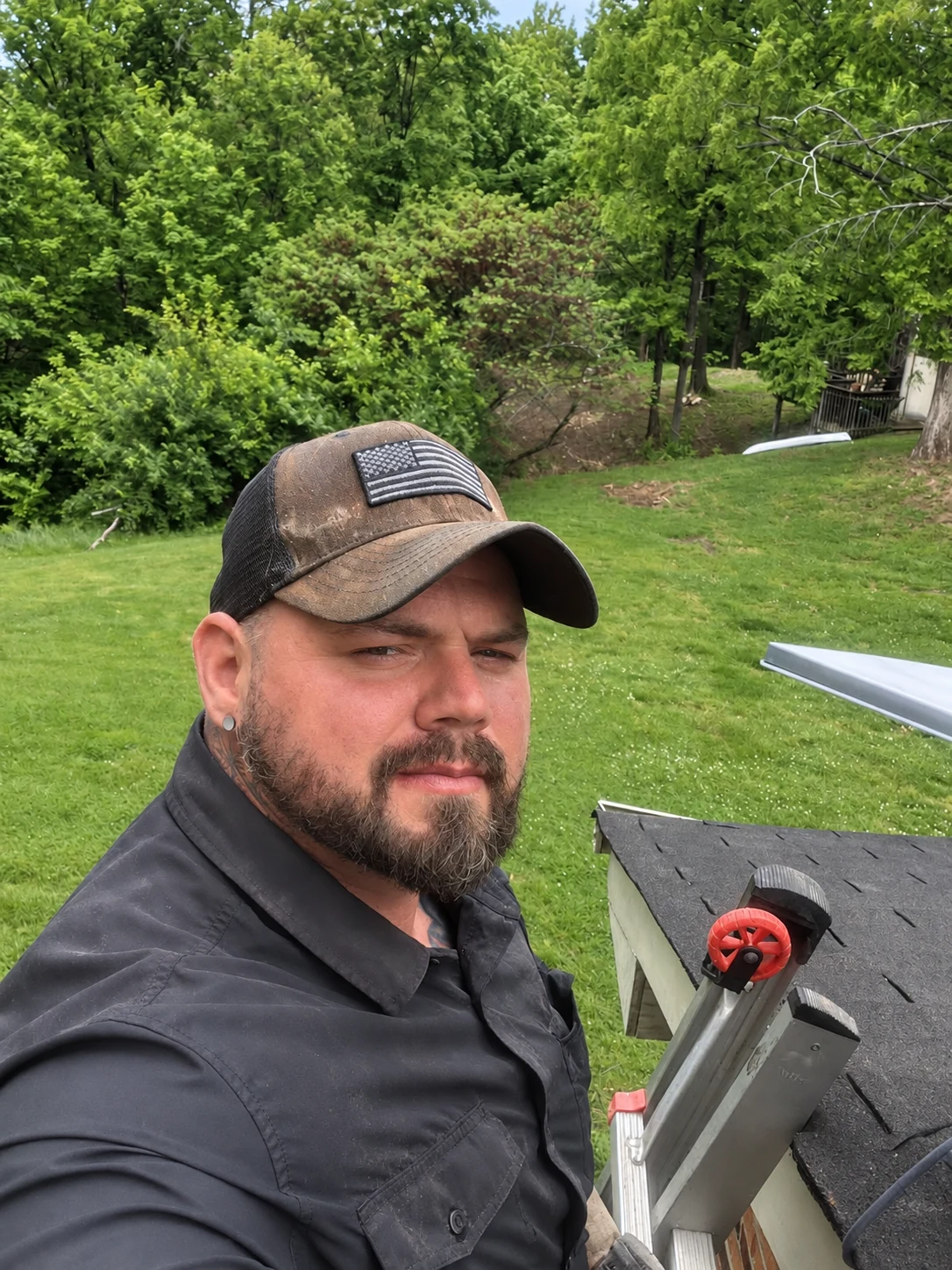
Written byCaleb MannOwner and installer at Mann's Starlink Contracting. Caleb works directly with customers from project planning through final system setup.