
Every property and Starlink project is different. This guide explains the practical factors considered during professional installation and helps you prepare informed questions before work begins.
Plan for the busiest event, not the empty property
Venues may be quiet most of the week and suddenly support hundreds of devices, live streams, ticketing, payments, staff communications, and security systems. Peak use—not the empty building—should guide planning.
A Sunday service, festival, sold-out campground, or wedding can place hundreds of phones on a network that seemed excellent during setup. Estimate simultaneous users and the applications that matter at peak attendance. Starlink plan capacity and the local access-point system must both support the goal.
Separate public access from operations
Estimate guest count, coverage zones, streaming upload, payment and office needs, seasonal obstructions, building distances, outdoor power, network security, and whether public access should be separated from operations.
Staff computers, donation or payment terminals, streaming encoders, cameras, and building controls should remain on protected networks. Guests need isolation and reasonable bandwidth limits. A managed system can prevent one visitor's large download from interrupting a live broadcast or transaction.
Need help with this on your Starlink system?
Mann's Starlink Contracting provides owner-installed service throughout Kentucky and an 11-state region.
Coverage across buildings and outdoor spaces
Use managed access points, wired or point-to-point backhaul, a guest network, bandwidth policies, and protected business devices. Place Starlink where crowds, temporary structures, and seasonal trees will not block its view.
Large sanctuaries, cabins, pavilions, campsites, and offices may require several wired access points or wireless bridges. Trees and seasonal RV placement can affect both Starlink's sky view and building-to-building links. Map coverage zones rather than placing hardware only where power is convenient.
Streaming, payments, and cameras compete differently
Do not share one password across guests and administrative equipment or expect a residential router to cover a campground. Public usage can consume capacity needed for payments or live production.
Watching content uses download; broadcasting worship or events uses steady upload; cameras may upload continuously; payment systems use little bandwidth but need low interruption. Prioritize by business impact. Record locally when practical so an internet interruption does not erase important video.
Test under realistic attendance
Prioritize essential traffic and test the property under realistic load before an important event. Larger sites may need multiple sectors, backup internet, or professional network management.
Simulate a busy network before the important date, verify guest isolation, walk every coverage area, and test transactions and live upload together. Keep a backup connection and staff procedure for events where loss of internet would stop operations.
Get a personal installation estimate.
Send your location and project details. Caleb will discuss your equipment and mounting needs, then confirm your complete quote before scheduling.
Questions first? Call Caleb directly at 270-940-4866.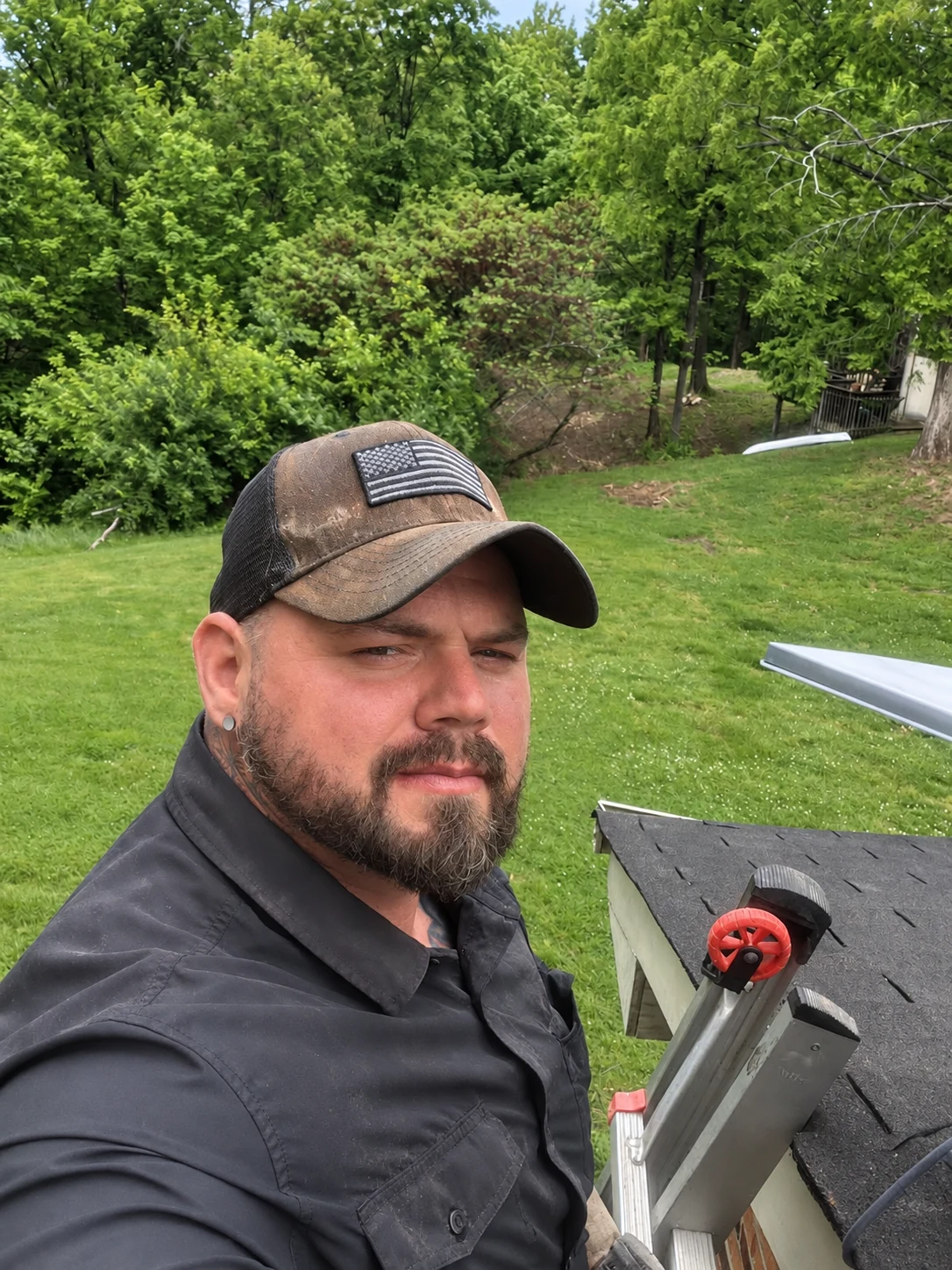
Written byCaleb MannOwner and installer at Mann's Starlink Contracting. Caleb works directly with customers from project planning through final system setup.