
Every property and Starlink project is different. This guide explains the practical factors considered during professional installation and helps you prepare informed questions before work begins.
Start by identifying the size of the failure
Troubleshooting is fastest when each part of the connection is checked in order: Starlink service, dish and cable, router and power, local Wi-Fi, and the individual device. Random resets can hide useful evidence.
Ask whether one application, one device, one room, or the entire property is affected. If a single phone fails while other devices work, the Starlink system is probably online. If wired and wireless devices all stop at once, focus on shared power, router, cable, dish, or service conditions.
Check power, status, and local devices
Check the Starlink app for outage or disconnected messages, confirm power, inspect router lights, test more than one device, move near the router, review the obstruction map, and visually inspect accessible cable sections and connectors.
Confirm the router has power and note its light pattern before unplugging anything. Connect a second device near the router, disable cellular data so the phone cannot hide a Wi-Fi failure, and check the Starlink app for an outage or disconnected notice. Verify that plugs and power strips have not been switched off.
Need help with this on your Starlink system?
Mann's Starlink Contracting provides owner-installed service throughout Kentucky and an 11-state region.
Inspect the dish connection and cable safely
Record app messages and times, then perform a normal reboot if appropriate. Compare device-to-router and router-to-internet results. If one device fails, troubleshoot that device; if every device fails, focus on shared equipment or service.
From the ground, look for a loose exterior loop, animal damage, a branch strike, a cable pulled tight by snow, or a connector exposed to water. Power down before reseating accessible connectors. Do not climb in rain, wind, ice, darkness, or when the roof or structure is damaged.
Use app history instead of guessing
Do not climb onto a roof during bad weather, repeatedly factory-reset equipment before saving network information, splice a damaged Starlink cable, or disconnect wet or energized equipment carelessly.
Review obstruction events, outages, uptime, latency, and advanced speed results. Record the exact time and message because intermittent failures may disappear before support is contacted. Reboot once after documenting the condition; repeated resets can erase settings without repairing a physical fault.
Know who should handle the next step
Contact Starlink for account, service, or equipment diagnostics and an installer for physical mounting, cable, obstruction, or network-layout problems. Photos and a timeline of symptoms make either conversation more productive.
Starlink support handles account status, remote diagnostics, warranty decisions, and replacement authorization. An installer handles safe access, mount movement, obstruction relocation, cable routing, and indoor network placement. Electrical damage, structural damage, or unsafe power conditions require the appropriate licensed professional.
Get a personal installation estimate.
Send your location and project details. Caleb will discuss your equipment and mounting needs, then confirm your complete quote before scheduling.
Questions first? Call Caleb directly at 270-940-4866.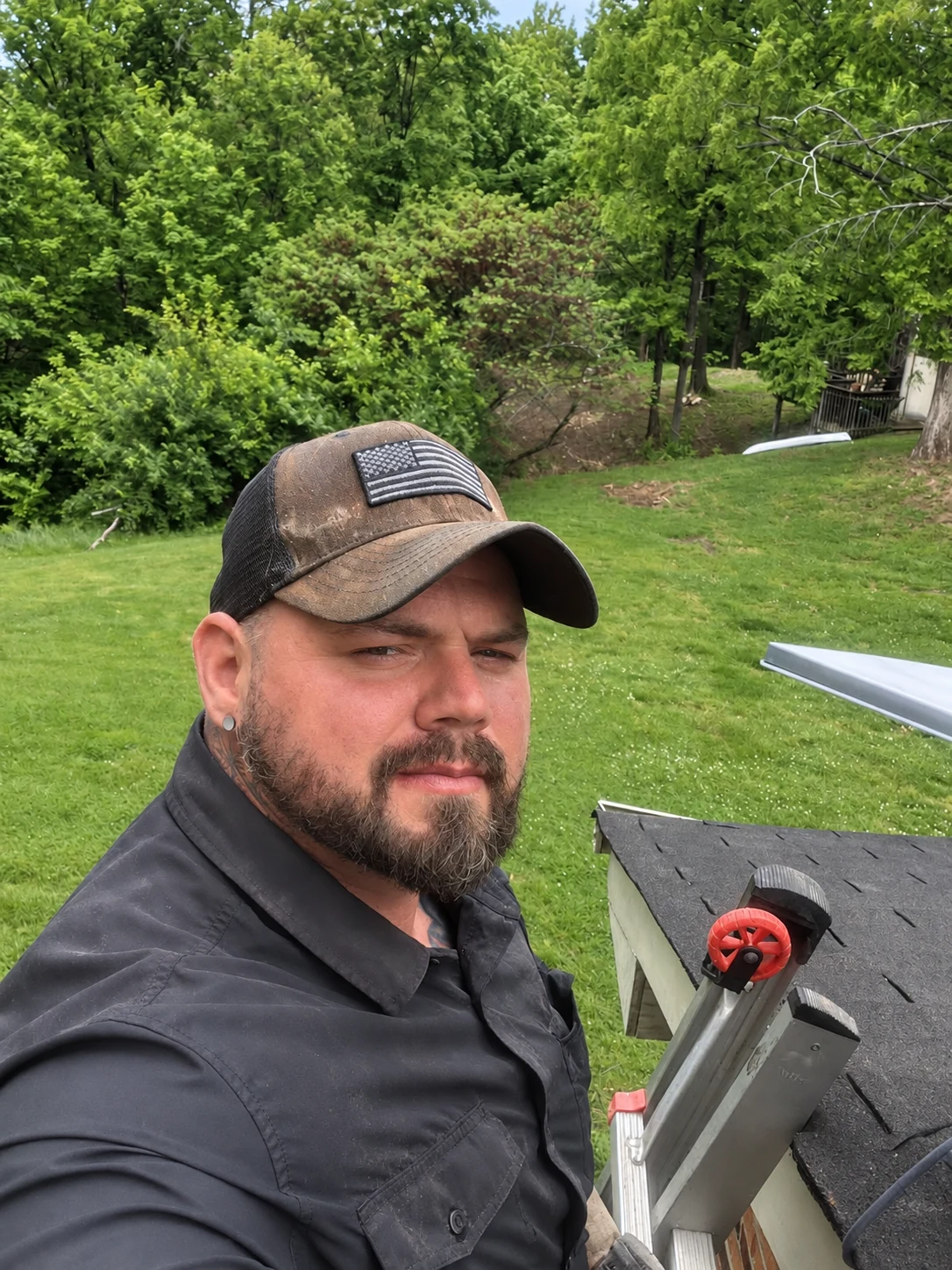
Written byCaleb MannOwner and installer at Mann's Starlink Contracting. Caleb works directly with customers from project planning through final system setup.

