
Every property and Starlink project is different. This guide explains the practical factors considered during professional installation and helps you prepare informed questions before work begins.
Smart devices depend on coverage and upload stability
Smart-home devices often use little bandwidth individually, but cameras depend on steady upload and all devices depend on reliable local coverage. A fast test beside the router does not guarantee a camera at the far corner of the property will stay connected.
A doorbell may be only a few feet from the router yet sit behind brick, metal, and an insulated exterior door. Cameras continuously sending clips to the cloud can use more upload than lights or sensors. A system with many small devices may also strain a basic router's capacity even when total internet speed looks adequate.
Estimate the camera and device load
Count cameras and hubs, estimate upload demand, identify exterior and outbuilding locations, note cloud recording, and decide which devices must continue through brief internet or power interruptions.
Record each camera's resolution, frame rate, cloud or local recording mode, and expected simultaneous viewing. Include video doorbells, hubs, speakers, thermostats, locks, and outdoor sensors. Compare the combined upload demand with normal Starlink performance while leaving capacity for calls, work, and other users.
Need help with this on your Starlink system?
Mann's Starlink Contracting provides owner-installed service throughout Kentucky and an 11-state region.
Design coverage at the edges of the property
Place the router and access points for coverage, wire important cameras or recorders when practical, use a UPS for network equipment, and secure accounts with strong unique passwords and multifactor authentication.
Test Wi-Fi at the final mounting height before drilling for a camera. Exterior corners, detached garages, gates, and metal workshops may need an outdoor-rated access point, wired connection, or building-to-building link. A mesh node indoors beside the nearest window may help, but only if it still receives a strong upstream signal.
Power, privacy, and outage behavior
Avoid connecting dozens of devices to a weak distant signal or assuming every problem is Starlink speed. Cloud cameras may stop remote recording during an outage even when a local recorder continues working.
Use unique accounts and multifactor authentication, keep firmware current, and place untrusted smart devices on an isolated network where practical. A UPS can keep the router, access points, and local recorder alive during a short outage, but cloud recording still stops when internet service is unavailable.
Testing the complete system
Test each device at its final location and review upload use during normal operation. Large camera systems or critical security needs may require a designed network and backup connection rather than a basic residential Wi-Fi layout.
Walk through live view, notifications, recording playback, and remote access for every important device. Test again at night when infrared cameras activate and during normal household use. If failures affect only edge devices, improve local coverage; if every cloud device drops together, investigate power or the Starlink connection.
Get a personal installation estimate.
Send your location and project details. Caleb will discuss your equipment and mounting needs, then confirm your complete quote before scheduling.
Questions first? Call Caleb directly at 270-940-4866.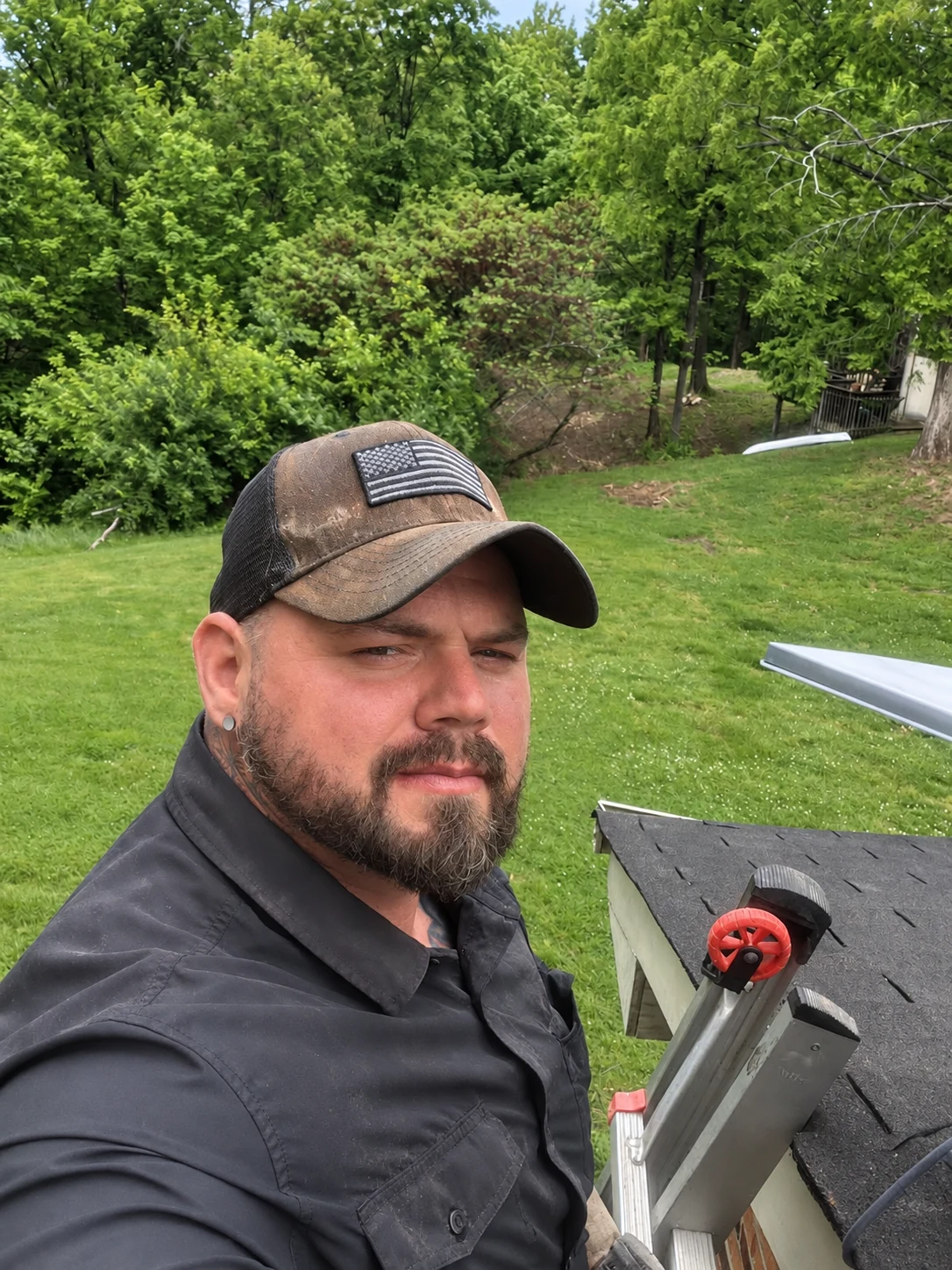
Written byCaleb MannOwner and installer at Mann's Starlink Contracting. Caleb works directly with customers from project planning through final system setup.
