
Every property and Starlink project is different. This guide explains the practical factors considered during professional installation and helps you prepare informed questions before work begins.
What is a point-to-point Wi-Fi system?
A point-to-point system is a wireless bridge that carries a network connection from one fixed location to another. It typically uses two small outdoor directional radios: one at the building with the internet connection and one aimed back at it from the building that needs service.
These ends are sometimes described as the master and slave points. Primary and remote are more current terms, but the function is the same. The primary radio receives a wired network connection from the main router, sends it across the property, and the remote radio converts that link back to Ethernet at the second building.
Where long-range Wi-Fi is useful
Point-to-point bridges are well suited to farms, rural homes, commercial yards, and other properties with detached structures. They can extend the existing Starlink connection to a barn, garage, workshop, office, guesthouse, gate, or equipment building without purchasing a separate internet subscription for every structure.
This is different from trying to make an indoor router reach hundreds of feet through exterior walls. A bridge creates a focused building-to-building link first. Wi-Fi coverage is then created locally inside or around the remote building.
How the primary and remote points work
The primary radio is normally connected by Ethernet to the network in the building where Starlink enters. Both outdoor radios are mounted securely, aimed toward each other, and powered—often through Power over Ethernet. The remote radio delivers a wired connection inside the second building.
The system acts much like a very long invisible network cable. It does not increase the speed supplied by Starlink, but a properly selected and aligned bridge can carry a strong portion of that connection across a distance that an ordinary indoor Wi-Fi signal would not cover reliably.
Need help with this on your Starlink system?
Mann's Starlink Contracting provides owner-installed service throughout Kentucky and an 11-state region.
Creating Wi-Fi at the remote building
The remote bridge radio does not always provide the indoor Wi-Fi coverage customers expect by itself. Its Ethernet connection is typically connected to a router, access point, or compatible mesh-capable unit inside the remote building. That device becomes the local Wi-Fi point for phones, computers, televisions, cameras, and other equipment there.
If a mesh router is used at the remote location, it is receiving its network connection through the hard-wired output of the bridge—not trying to form a normal wireless mesh link across the entire property. The exact operating mode should be chosen carefully so the remote equipment works with the main network without creating unnecessary routing conflicts.
Clear line of sight matters
Directional bridge radios perform best when they have a clear line of sight. Trees, hills, metal buildings, rooflines, and other obstructions can weaken or interrupt the link. Seasonal leaf growth matters, and a path that works in winter may become less dependable in summer.
Distance is only one part of planning. Mounting height, radio selection, aiming, weather exposure, cable protection, grounding practices, power availability, and the construction of both buildings all influence the final design.
Advantages and limitations
The major advantage is property-wide expansion without trenching a data cable for the entire distance. Point-to-point equipment can also provide a more focused and dependable link than outdoor Wi-Fi extenders designed only to repeat a weak signal.
The tradeoffs are added equipment, two exterior mounting locations, power and Ethernet at both ends, and more involved configuration. The available speed is also shared with the main Starlink connection, and performance can never exceed the capacity of the internet service or the slowest device in the network path.
Planning a complete property network
A good design begins with the buildings that need coverage, the devices used in each location, the distance and view between structures, and the desired indoor or outdoor coverage at the far end. From there, the bridge radios, mounting points, cable routes, and remote Wi-Fi equipment can be planned as one system.
For larger properties, point-to-point networking is often the cleanest way to turn one Starlink installation into useful connectivity across multiple buildings while keeping each part of the system accessible and purpose-built.
Get a personal installation estimate.
Send your location and project details. Caleb will discuss your equipment and mounting needs, then confirm your complete quote before scheduling.
Questions first? Call Caleb directly at 270-940-4866.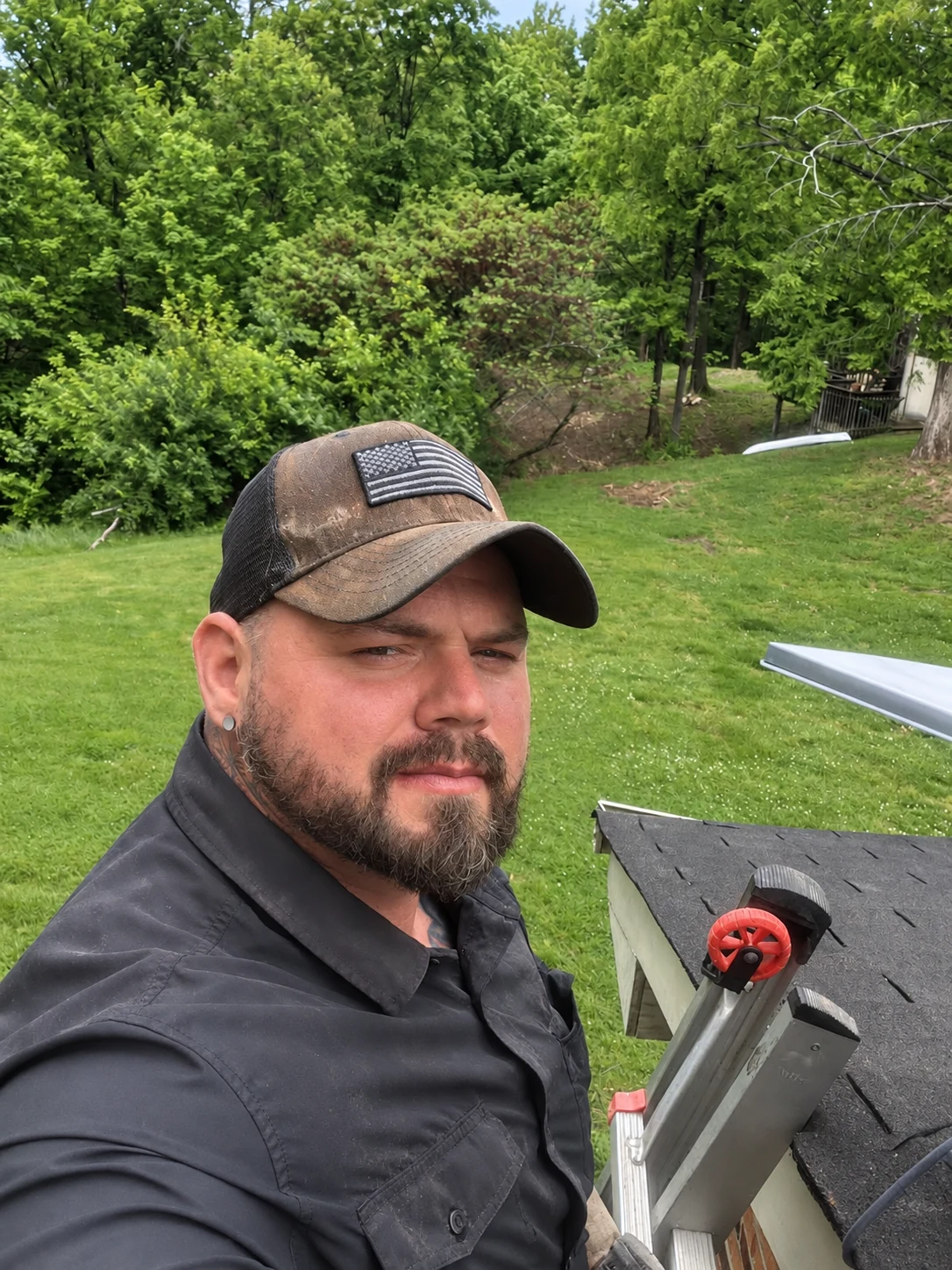
Written byCaleb MannOwner and installer at Mann's Starlink Contracting. Caleb works directly with customers from project planning through final system setup.
