
Every property and Starlink project is different. This guide explains the practical factors considered during professional installation and helps you prepare informed questions before work begins.
Severe weather loads the entire mounting system
Wind loads the dish and mount repeatedly, ice adds weight and can pull on cable, and hail may damage exposed equipment. The attachment beneath the dish is just as important as the dish housing itself.
The dish, mast, bracket, fasteners, wall or roof structure, cable supports, and sealant experience weather together. A dish that survives can still leave a loosened fastener or opened penetration beneath it, so post-storm evaluation should look beyond whether the app is online.
Wind leverage and structural attachment
Evaluate building height, roof edge exposure, prevailing wind, mount leverage, structural backing, fastener condition, corrosion, cable slack, snow-shedding paths, and whether falling ice can strike people or property.
Higher and more exposed placements receive greater force. Long mast extensions multiply leverage and require an attachment designed for it. Fasteners must enter sound structure, and the bracket should remain plumb without relying on sealant or thin trim for strength.
Need help with this on your Starlink system?
Mann's Starlink Contracting provides owner-installed service throughout Kentucky and an 11-state region.
Hail and impact concerns
Use compatible rated hardware attached to sound structure, secure cable without making it rigid, maintain drainage, and place equipment where it can be inspected without creating unnecessary weather exposure.
Hail can crack housings, mark coatings, and damage roofing around a mount. Do not assume every surface mark affects operation, but photograph cracks, dents near connectors, and sudden errors. Insurance documentation is easier before equipment is moved or discarded.
Ice, snow shedding, and cable strain
Avoid long unsupported mast extensions, loose cable loops, mounting to deteriorated trim, or climbing onto an icy roof after a storm. Snow-melt features do not remove every ice or structural risk.
Ice adds weight and can bridge between dish, mast, and cable. Sliding snow on a metal roof may yank an unsupported route. Provide managed slack and keep cable from sharp edges and major shedding paths. Never strike or pry ice from the equipment.
Safe inspection after a storm
After severe weather, inspect safely from the ground for movement, loosened cable, damaged roof material, or changed alignment. Arrange professional inspection when damage is suspected or roof access is hazardous.
Inspect from the ground first for tilt, loose loops, broken clips, roof debris, or exposed wiring. Avoid wet, icy, wind-damaged, or structurally uncertain roofs. If movement or damage is suspected, power down when safe and arrange professional inspection before the next storm.
Get a personal installation estimate.
Send your location and project details. Caleb will discuss your equipment and mounting needs, then confirm your complete quote before scheduling.
Questions first? Call Caleb directly at 270-940-4866.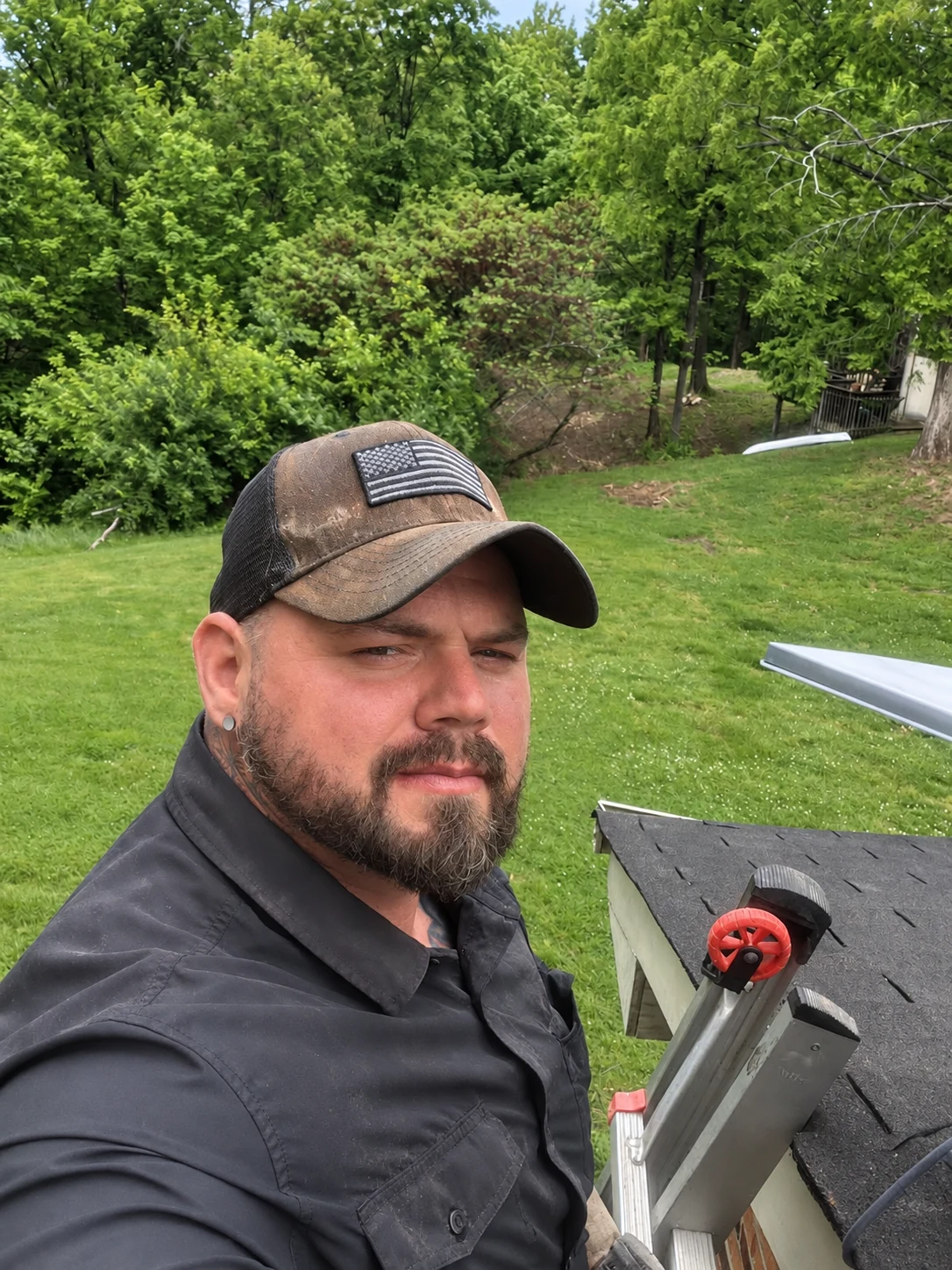
Written byCaleb MannOwner and installer at Mann's Starlink Contracting. Caleb works directly with customers from project planning through final system setup.

