
Every property and Starlink project is different. This guide explains the practical factors considered during professional installation and helps you prepare informed questions before work begins.
Starlink cable carries power and data
The cable between the Starlink terminal and its router or power equipment is more than a simple low-voltage data lead. It carries network traffic and the electrical power required by the terminal. Damage can therefore affect both communication quality and reliable power delivery.
A cable may look only slightly pinched while one internal conductor, twisted pair, shield, or drain path has already been compromised. Intermittent restarts and cable alerts can appear only during rain, cold weather, high power use, or movement.
Why an improvised splice is risky
Splicing changes the electrical characteristics of the cable and can disturb pair twists, shielding, conductor resistance, and weather sealing. A splice that passes basic continuity may still create data errors, voltage drop, heat, or an unreliable connection under full load.
Outdoor couplers and hand-built joints add places for condensation and corrosion to begin. Tape, heat-shrink tubing, wire nuts, and ordinary junction boxes do not recreate the complete factory cable assembly.
The connector is part of the system
Depending on the Starlink generation, the cable uses a model-specific sealed or latching connector arrangement engineered to fit its terminal, router, or power supply. The molded seal, strain relief, shielding contact, and connector geometry all contribute to the finished connection.
Cutting off a damaged connector and attaching a generic plug may remove those protections or create a connection that fits mechanically without meeting the system's power and environmental requirements.
Need help with this on your Starlink system?
Mann's Starlink Contracting provides owner-installed service throughout Kentucky and an 11-state region.
Replace the complete damaged cable
If the cable is cut, crushed, badly kinked, burned, chewed, corroded, water-intruded, or damaged at either connector, the dependable repair is a complete compatible replacement cable. Starlink has sold full replacement cables specifically for damage and for supported longer routes.
Match the replacement to the exact terminal generation and kit. Standard, Mini, Performance, and earlier rectangular systems do not all share the same cable layout or supported length.
Inspect before reconnecting power
Unplug the system before handling or replacing the cable. Inspect both equipment ports for bent contacts, dirt, moisture, scorching, or a broken sealing surface. A damaged port can ruin a new cable or indicate that the router, power supply, or terminal also needs service.
Route the replacement without tight coils, sharp bends, staples, pinch points, loose roof exposure, or unsupported weight at the connector. Make drip loops and weather-protected transitions part of the new installation.
Prevent the next failure
Use conduit for vulnerable ground routes, exterior clips for exposed vertical runs, grommets at wall entries, and guards where animals or landscaping equipment may reach the cable. Leave enough service slack for connection without allowing large loose loops to move in the wind.
Replacing the entire cable costs more than an improvised joint, but it removes a hidden failure point and restores the factory-terminated path the equipment was designed to use.
Get a personal installation estimate.
Send your location and project details. Caleb will discuss your equipment and mounting needs, then confirm your complete quote before scheduling.
Questions first? Call Caleb directly at 270-940-4866.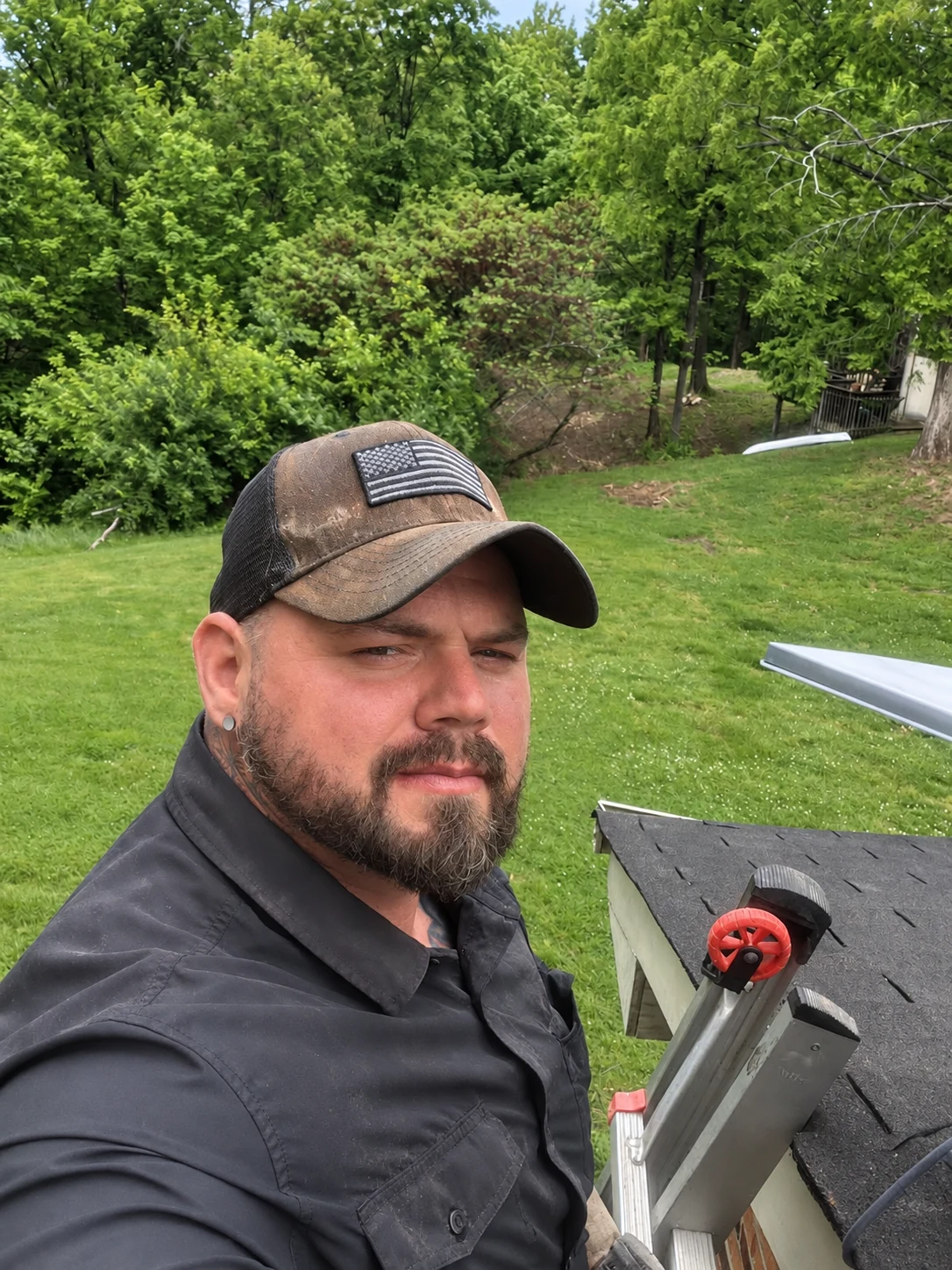
Written byCaleb MannOwner and installer at Mann's Starlink Contracting. Caleb works directly with customers from project planning through final system setup.

