
Every property and Starlink project is different. This guide explains the practical factors considered during professional installation and helps you prepare informed questions before work begins.
Assign the work instead of assuming
Electricians, roofers, low-voltage technicians, builders, and Starlink installers have different scopes. Write down who supplies conduit, installs receptacles, creates the wall entry, provides structural backing, mounts the terminal, pulls cable, terminates Ethernet, seals penetrations, and tests service.
Share one coordinated plan
Use photographs or drawings that show the proposed dish zone, cable path, power location, router, network cabinet, access points, and detached-building connections. Include connector dimensions and supported cable length. A verbal note to “leave a pipe for internet” is not enough.
Respect electrical and low-voltage boundaries
Starlink power equipment needs a suitable receptacle and accessible installation. Communications cable should not be routed as ordinary branch wiring or placed with line voltage without evaluating applicable requirements. Surge protection, generator circuits, UPS equipment, and interbuilding copper deserve deliberate coordination.
Need help with this on your Starlink system?
Mann's Starlink Contracting provides owner-installed service throughout Kentucky and an 11-state region.
Provide structure and weather management
The builder or roofer may need to add blocking, flashing, a mounting curb, or an approved attachment point. The Starlink installer should confirm compatibility and sky visibility before the finish is locked in. Sealants must match the surface and water-control strategy.
Schedule decisions in the right order
Confirm likely placement during design, install pathways during rough-in, photograph before close-up, and perform final obstruction and mounting review when the exterior is complete. Avoid mounting equipment while roofing, siding, or structural work is still likely to disturb it.
Test each trade's deliverable
Verify conduit pullability, receptacle power, cable condition, Ethernet link, terminal startup, Wi-Fi coverage, and weather sealing. Keep a record of hidden routes and the responsible contractors so future changes are directed to the correct person.
Get a personal installation estimate.
Send your location and project details. Caleb will discuss your equipment and mounting needs, then confirm your complete quote before scheduling.
Questions first? Call Caleb directly at 270-940-4866.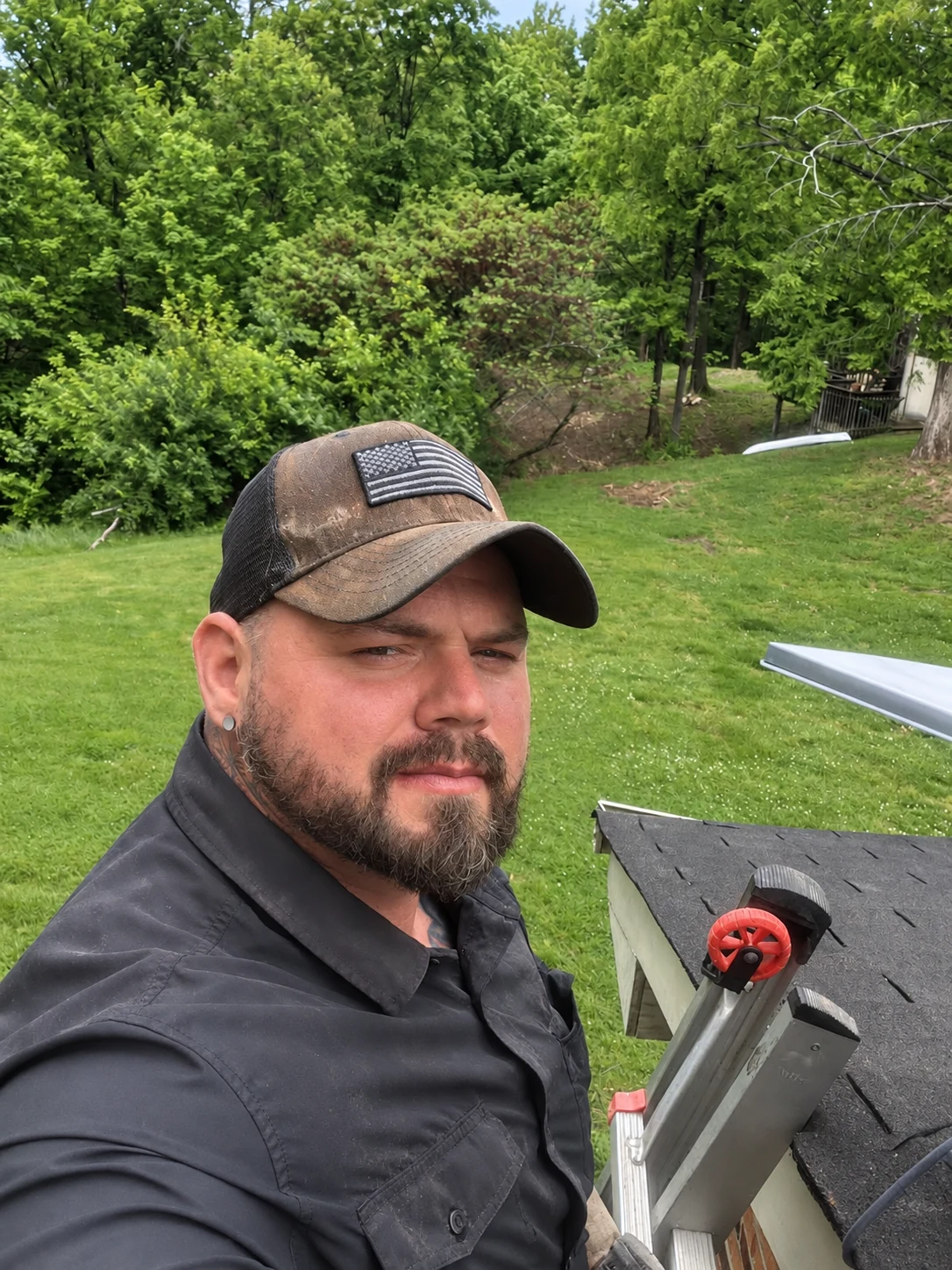
Written byCaleb MannOwner and installer at Mann's Starlink Contracting. Caleb works directly with customers from project planning through final system setup.
